
WHAT ARE POLLINATORS?
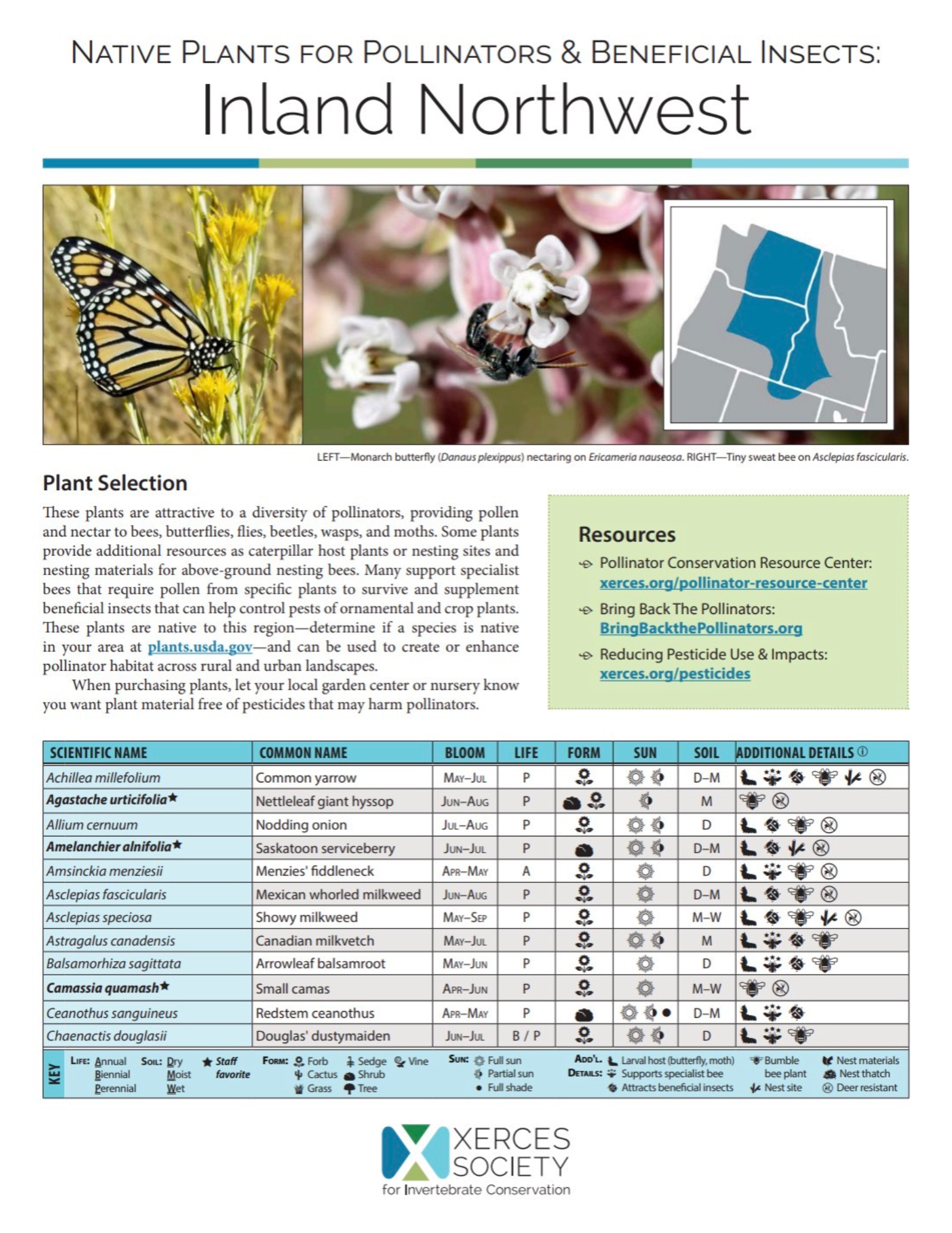
Pollinators are animals—including insects, birds, and even some frogs—that help plants reproduce by moving pollen from one flower to another. Bees, butterflies, moths, hummingbirds, beetles, and flies are some of the most common pollinators, playing an important role in helping plants produce seeds, fruits, and new growth. Pollinators play a vital role in healthy ecosystems and help provide many of the foods we enjoy. By planting pollinator-friendly plants and creating welcoming habitats, we can all help support these essential creatures.
NORTH IDAHO BUTTERFLIES
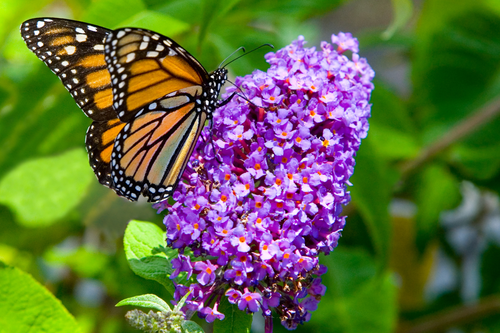
All adult butterflies like to drink from plants with lots of nectar. They prefer flowers that have small tubes (like butterfly bush, salvia, nepeta, hyssop) and flowers with a stable platform that have lots of tiny flowers inside (like milkweed, joe pye weed, echinacea, daisies, black-eyed susan, pincushion flower). Planting these flowers will help attract adult butterflies to your yard. If you want butterflies to come back from year to year, it is also important to provide plants that their caterpillar babies will eat to grow big, strong butterflies for next year. This list is to help gardeners know which plants will feed native caterpillars. Remember, planting food for caterpillars means that the caterpillars will eat your plants! Be sure not to use pesticides near them.
MONARCH BUTTERFLY
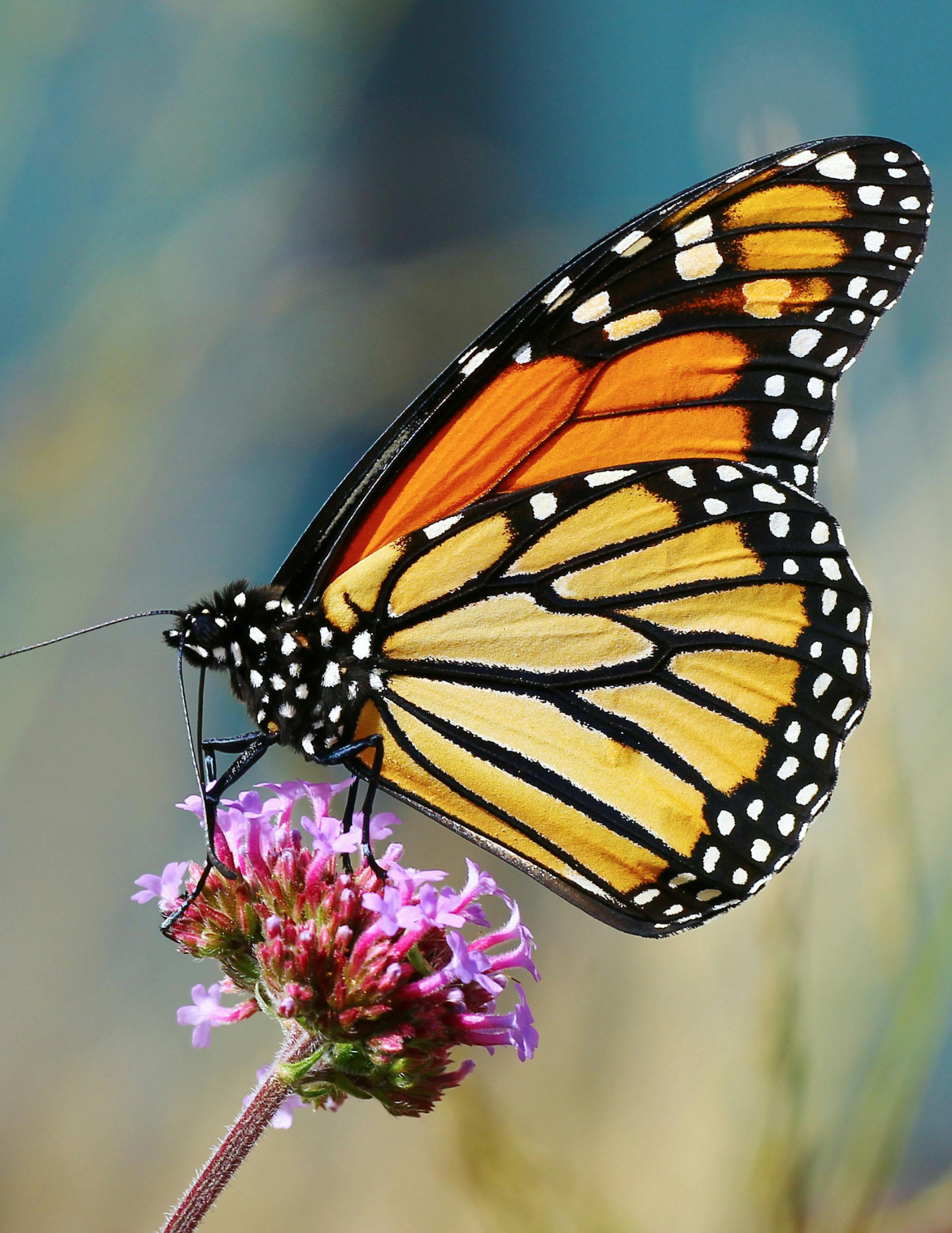
Monarchs travel an incredible 3,000 miles each year, migrating all the way from Mexico! Along their journey, they need plenty of nectar from flowers to fuel their long flight. Monarch caterpillars rely on milkweed as their only food source. The plant’s sticky, bitter sap helps make both the caterpillar and adult butterfly taste unpleasant to birds, giving them an important defense against predators. You may also spot the monarch’s look-alike, the Viceroy butterfly, here in North Idaho. Viceroy caterpillars feed on willow, aspen, and cottonwood trees, while adult butterflies enjoy nectar from a wide variety of flowers.
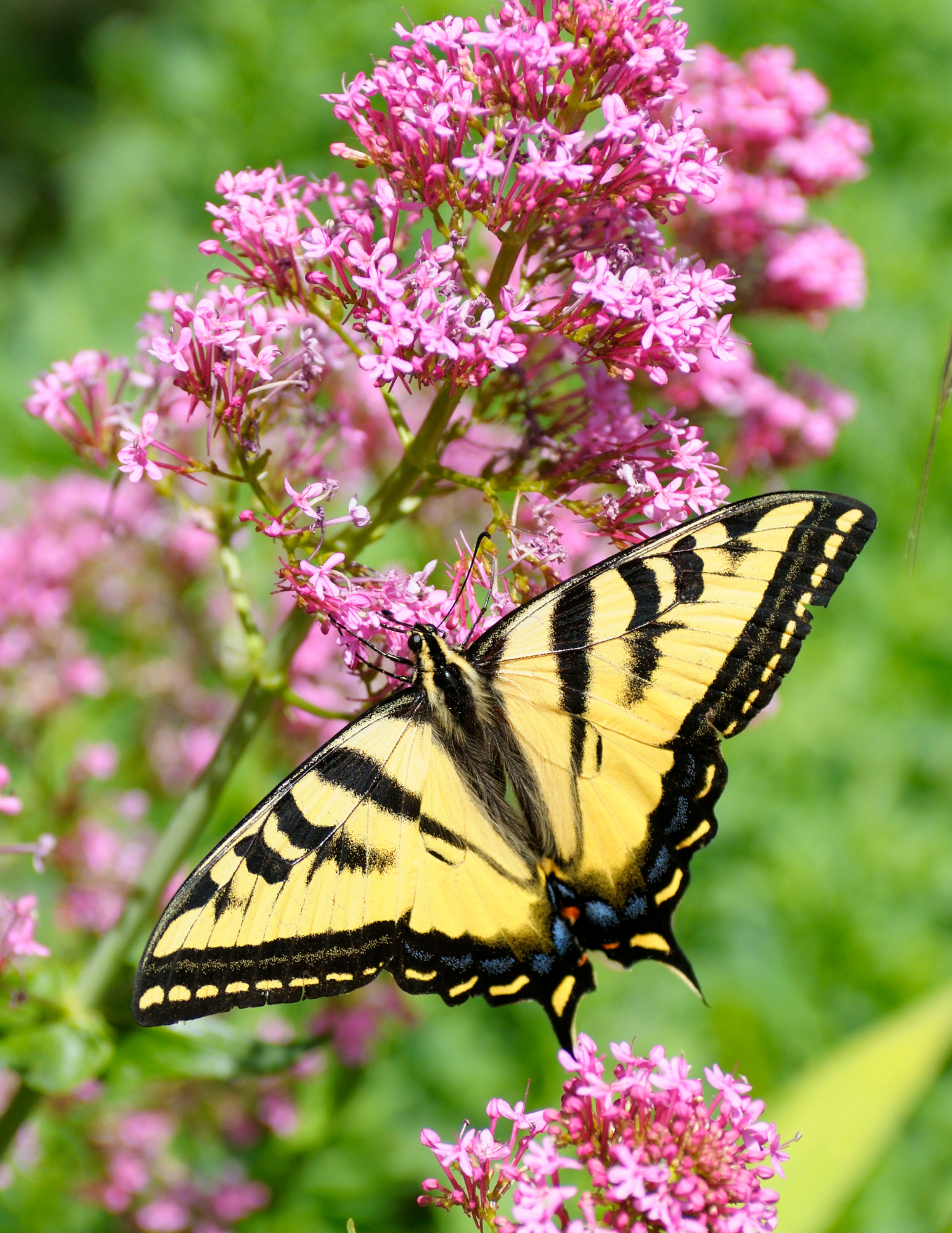
SWALLOWTAIL BUTTERFLY
Swallowtail butterflies are drawn to native wildflowers, thistles, and Western Columbine for nectar. They also visit puddles to sip up essential minerals and salts. When it’s time to lay their eggs, they seek out host plants such as willows, cottonwoods, aspens, wild cherry, chokecherry, and Rocky Mountain maple.
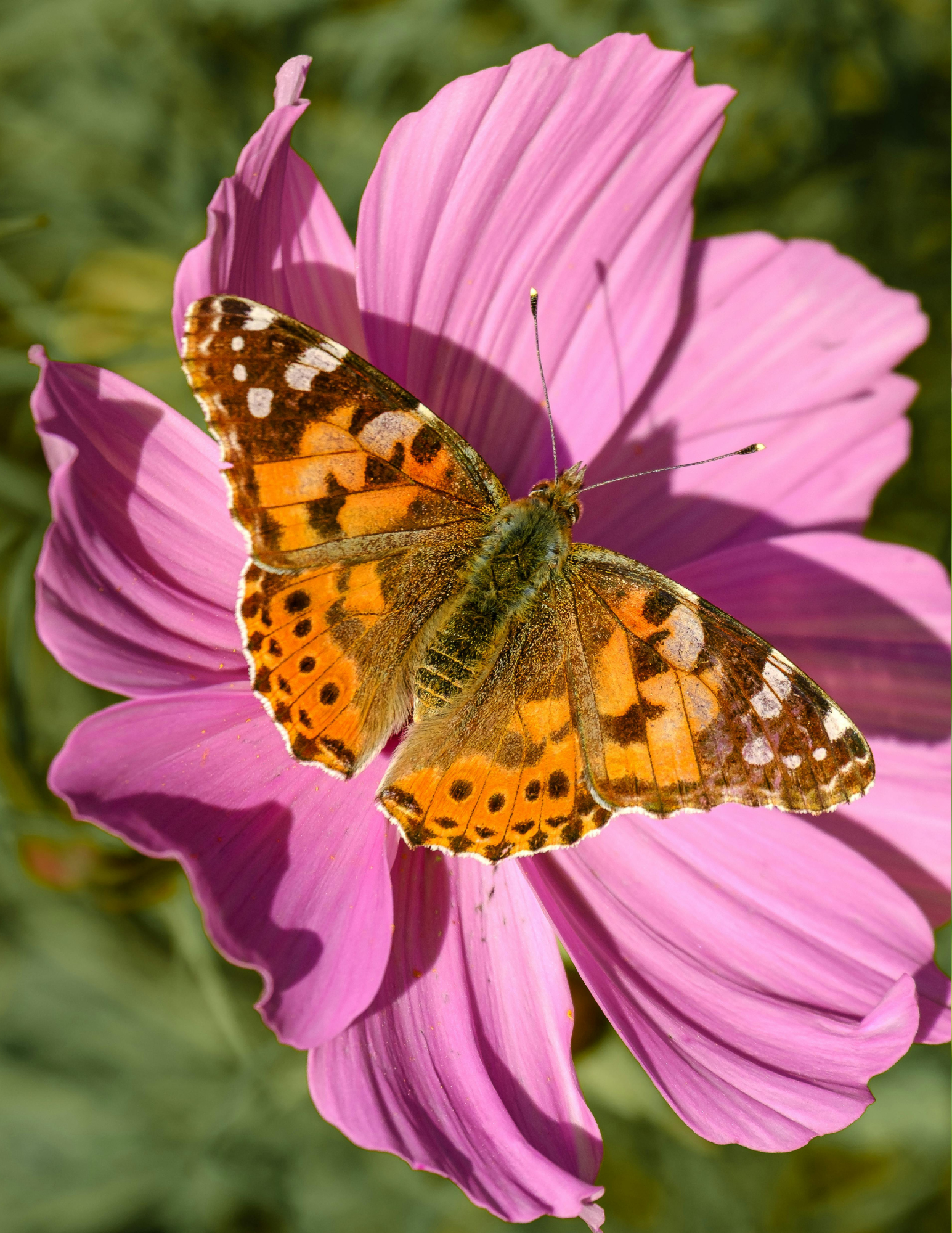
PAINTED LADY BUTTERFLY
Painted Lady butterflies can fly up to 30 MPH. These beautiful, widespread butterflies are frequent visitors to gardens, where adults enjoy sipping nectar from thistles, coneflowers, zinnias, asters, cosmos, and liatris. Their caterpillars have a particular fondness for plants in the thistle and mallow families, including hollyhocks, as well as Pearly Everlasting (Anaphalis), asters, and sunflowers. Planting a variety of these favorites can help provide both food and habitat for Painted Ladies throughout their life cycle.
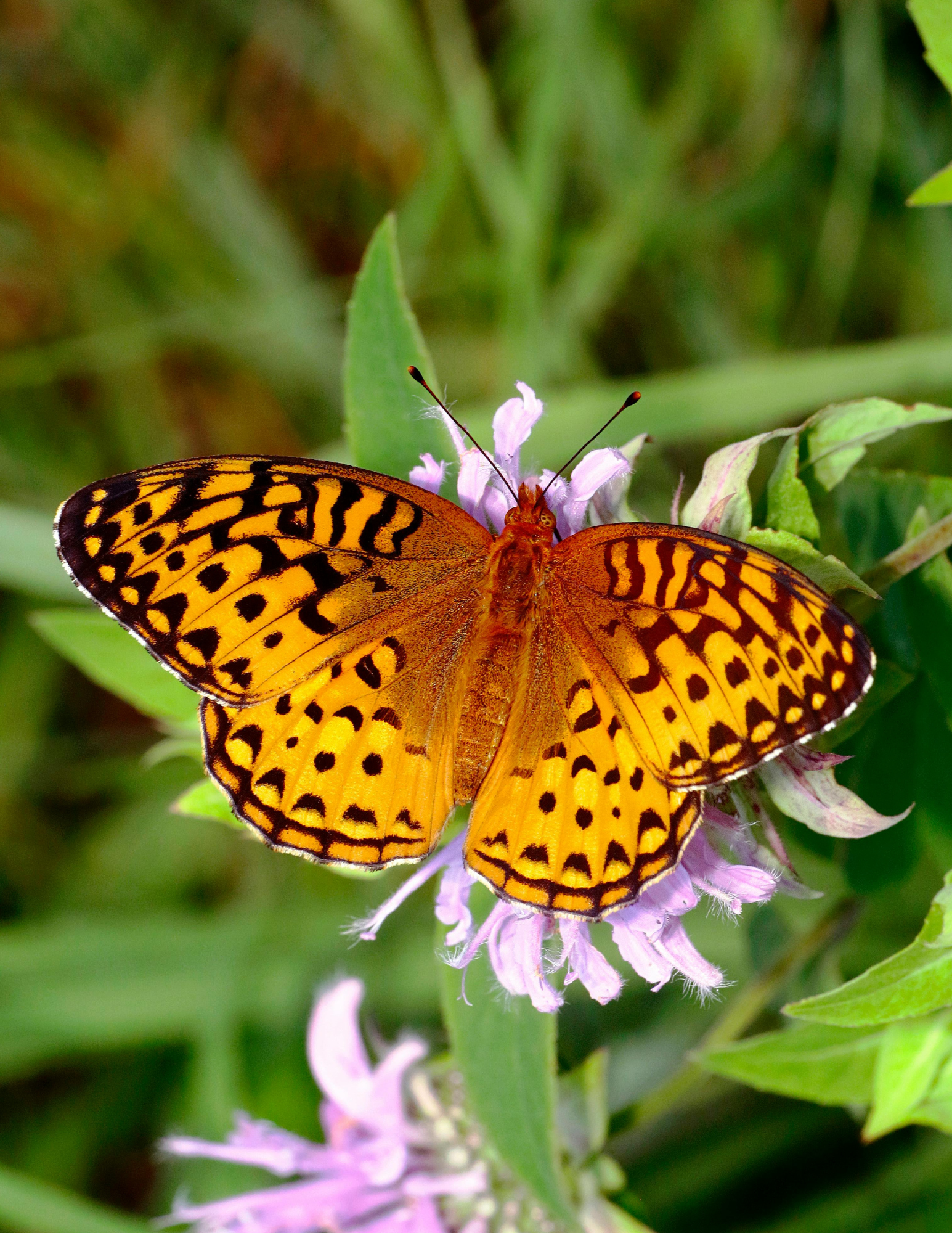
Great Spangled Fritillary BUTTERFLY
Great Spangled Fritillary butterflies are drawn to a wide variety of nectar-rich plants, including thistles, milkweed, Joe Pye weed, ironweed, coneflower, bee balm, clover, vetch, dogbane, mountain laurel, zinnia, verbena, and butterfly bush. But when it comes to raising their young, they have just one host plant: native violets! Their caterpillars rely exclusively on violets for food, making these little native plants an important part of the Great Spangled Fritillary’s life cycle.
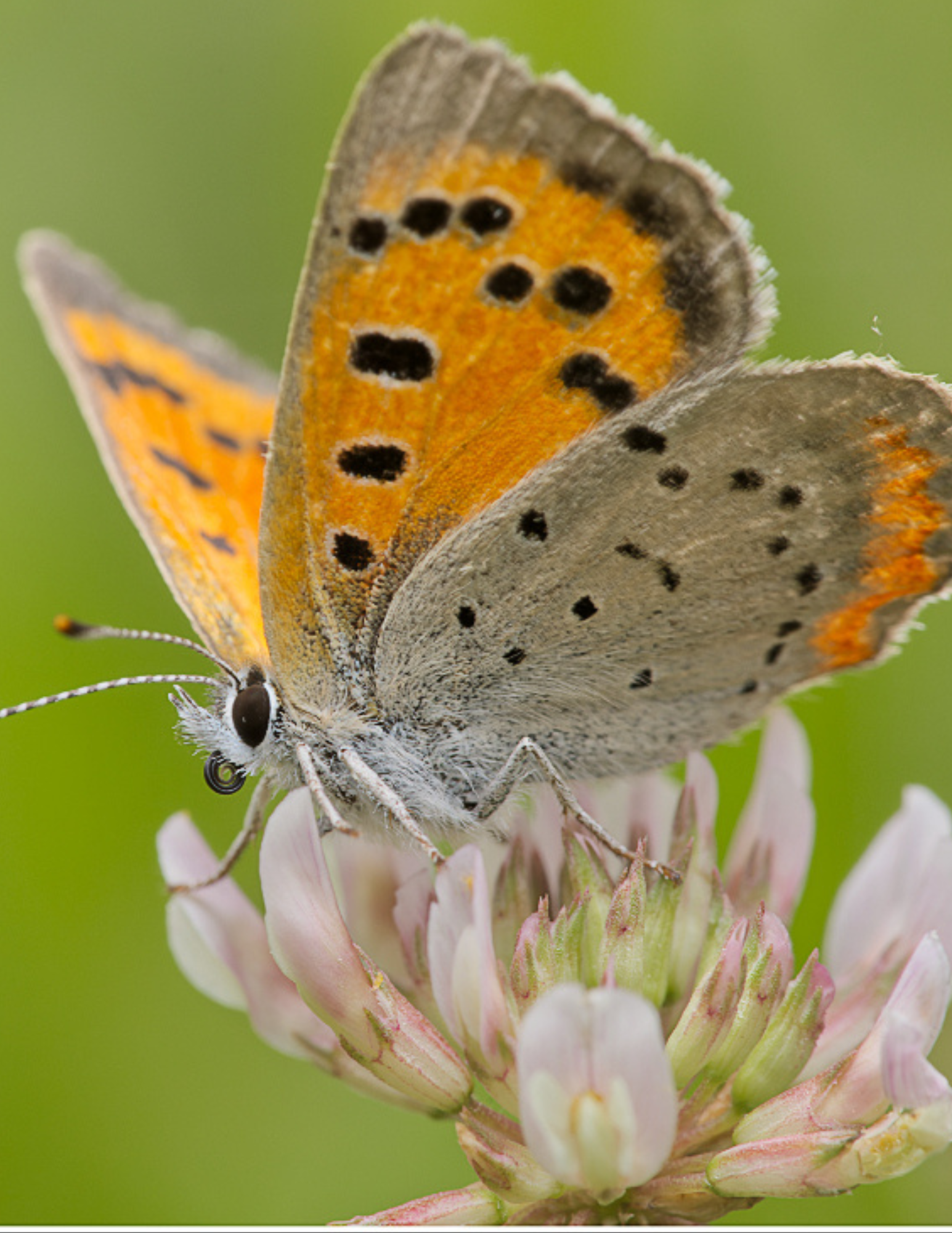
American Copper butterflY
American Copper butterflies enjoy the nectar from low growing plants like common buttercup, white clover, yarrow, oxeye daisy, asters, goldenrod and butterfly weed. Caterpillars of these tiny butterflies eat the leaves of Sheep Sorrel, Curly Dock and Mountain Sorrel (plants in the buckwheat or knotweed family). Since these plants are most often in poor, disturbed soil, you will frequently find these butterflies on abandoned fields, dry meadows and disturbed waste areas.
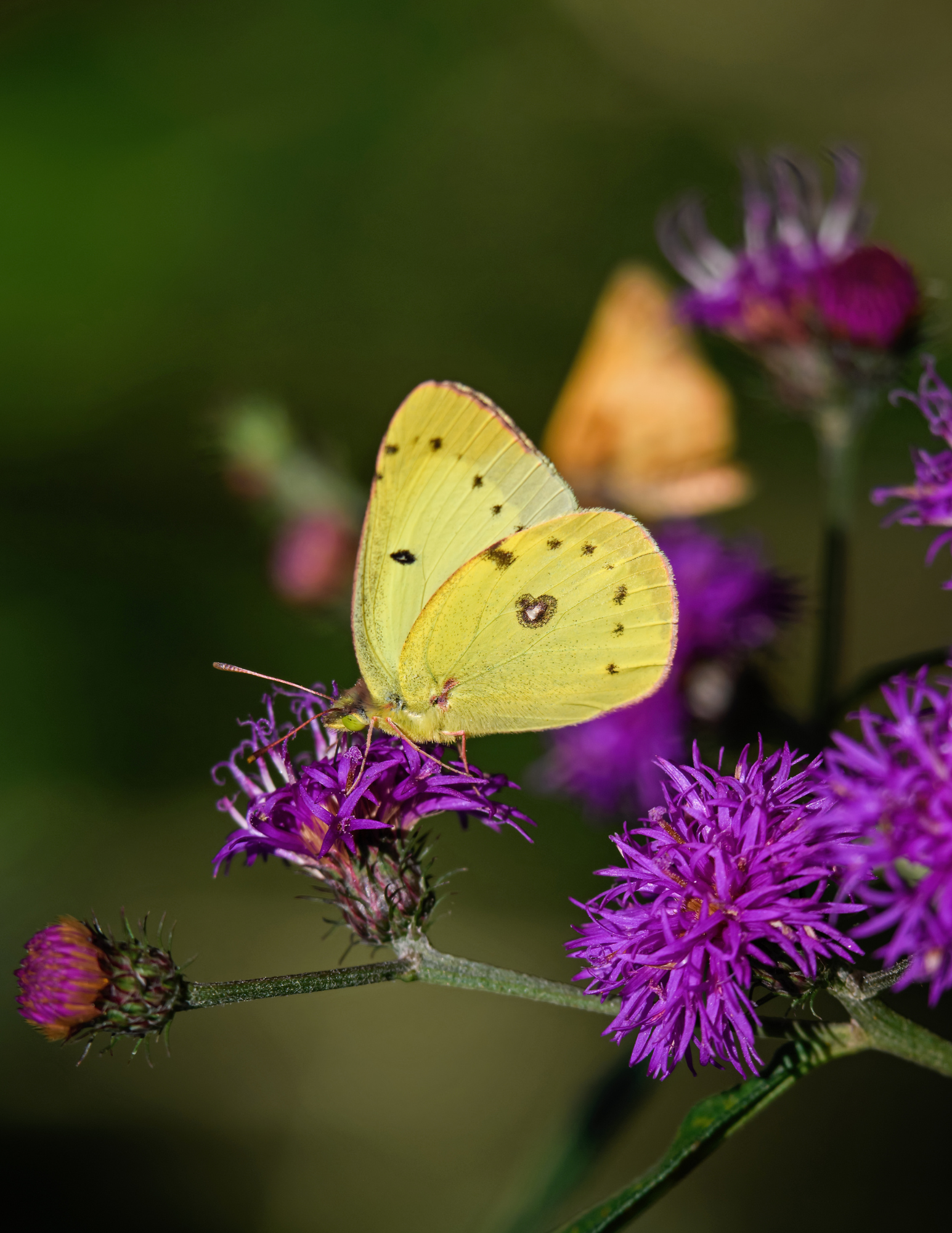
Yellow Sulfur Butterfly
Yellow Sulfur butterflies love to sip nectar from flowers like dandelions, goldenrod, asters, milkweed, and coreopsis. Their caterpillars rely on legume plants for food, including alfalfa, white clover, and vetch. Their cousins, the white butterflies, enjoy many of the same nectar-rich flowers as adults, but their caterpillars have different dietary needs. They feed on plants in the brassica family, including native mustards, nasturtiums, radishes, turnips, broccoli, cauliflower, and kale.
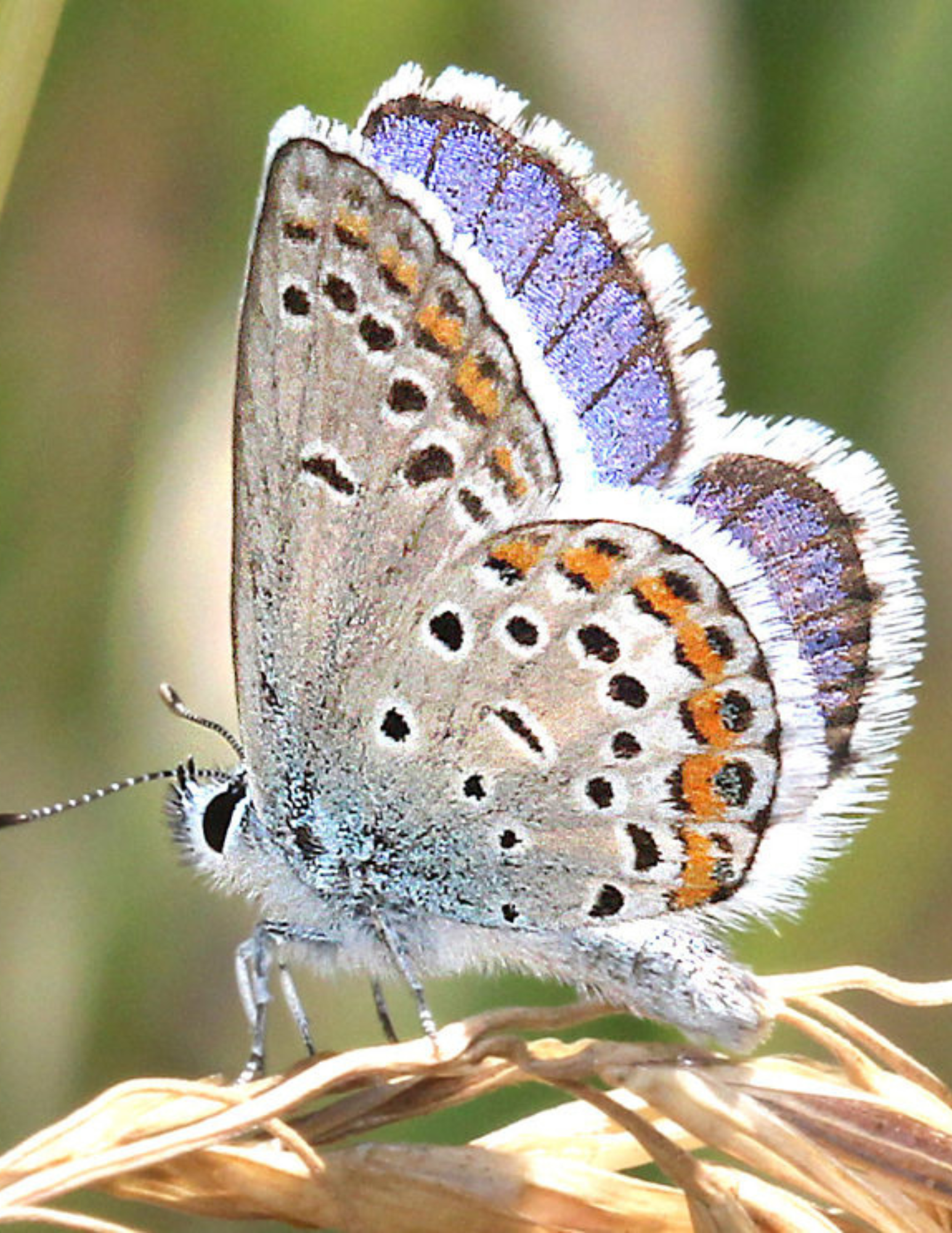
COMMON BLUE BUTTERFLY
Tiny but mighty, Common Blue butterflies aren’t particularly picky when it comes to nectar. They’ll visit a variety of plants, including asters, thistle, alfalfa, fleabane, wild onion, vetches, and rabbitbrush. Their caterpillars have a particular appetite for lupine, alfalfa, clover, and vetch. These little butterflies can be tricky to spot—they’re fast flyers and rarely reveal their true blue color!
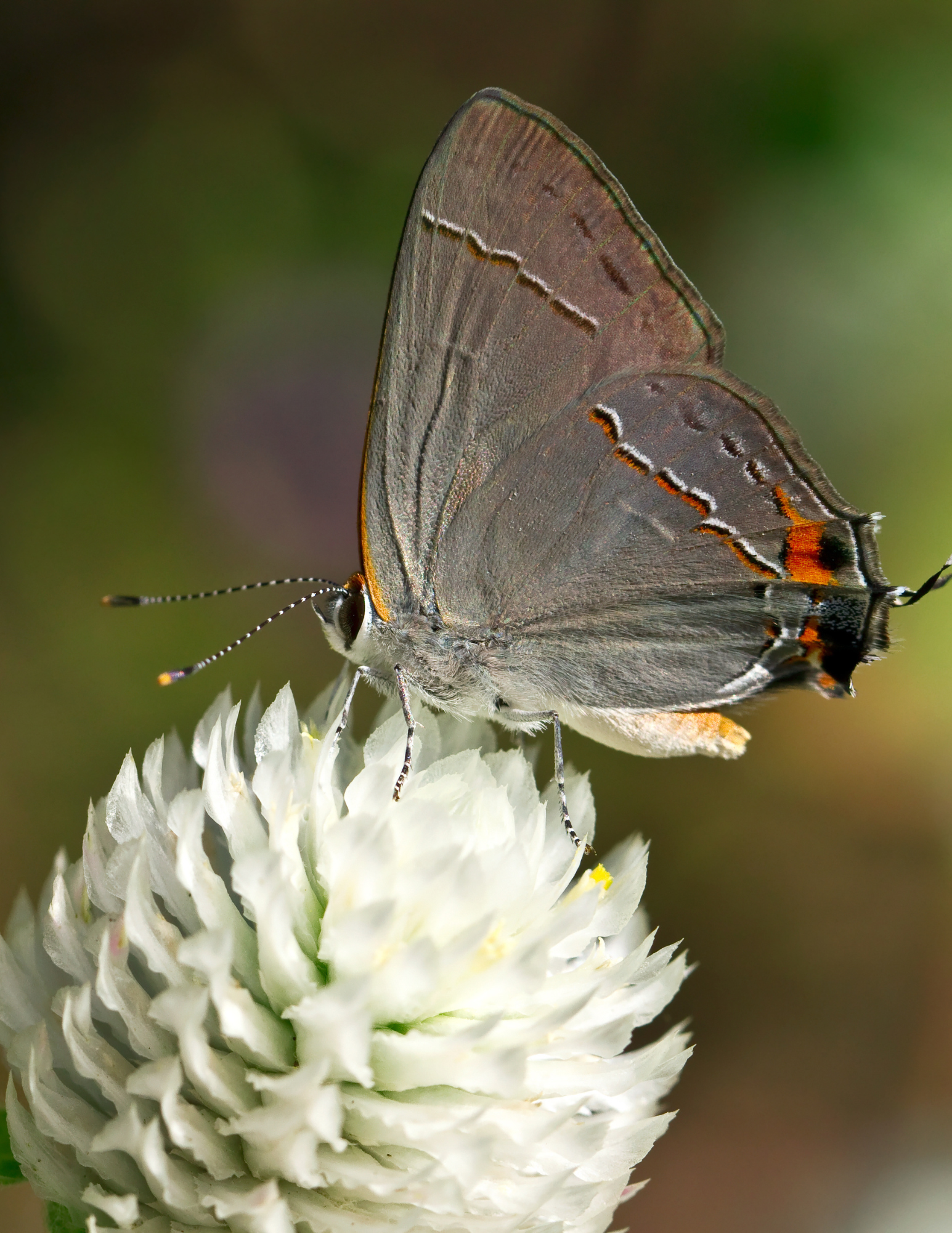
GRAY HAIRStREAK BUTTERLY
The tiny Gray Hairstreak butterfly feeds on nectar from milkweed, dogbane, clover, goldenrod, and mountain mint, and may also feed on plant sap and rotting fruit. Its caterpillars enjoy clover, alfalfa, vetch, and mallow. One of the most common butterflies in North America, the Gray Hairstreak is often found in open habitats such as fields, meadows, and other disturbed areas.
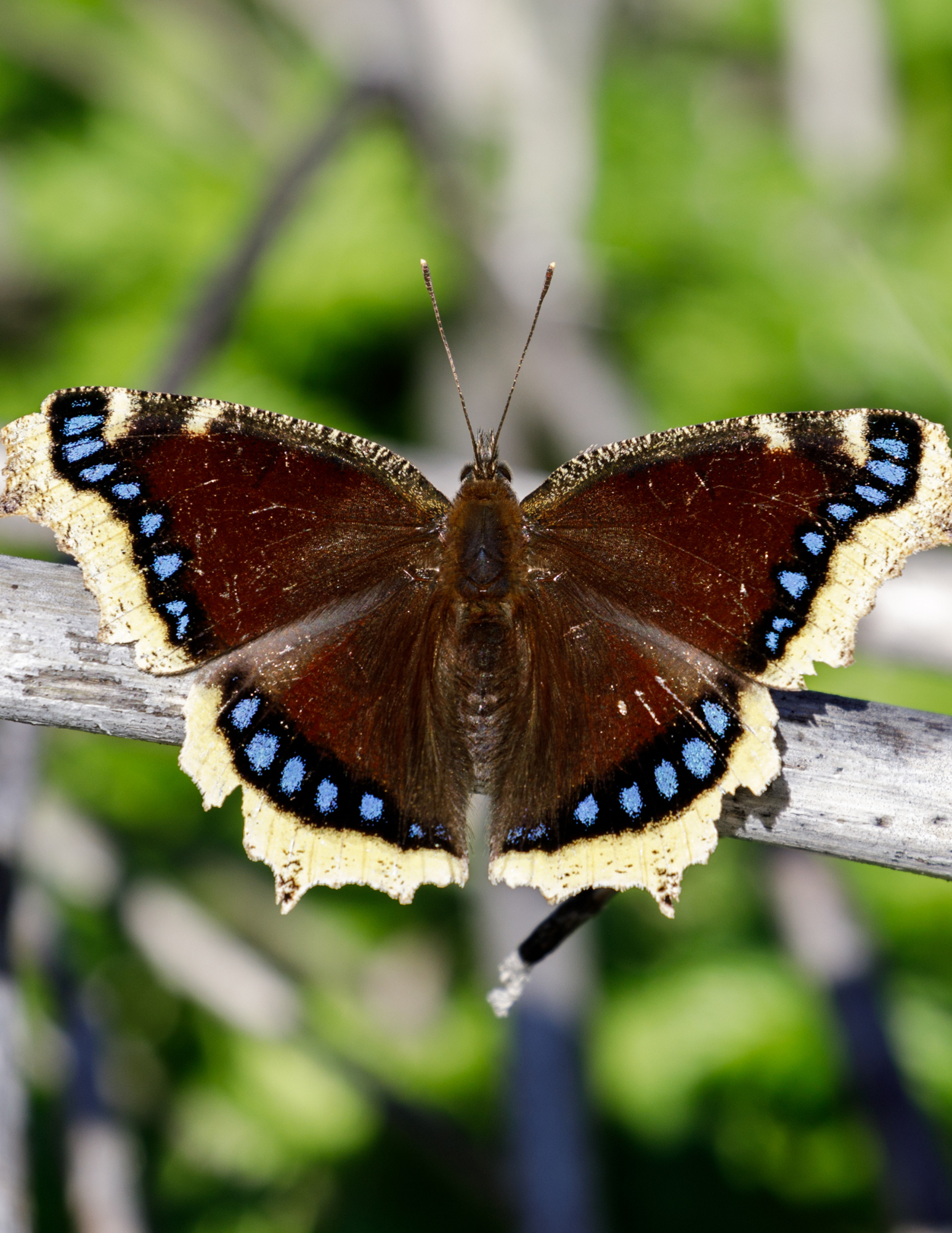
THE MOURNING CLOAK BUTTERFLY
Unlike many butterflies, the Mourning Cloak rarely feeds on flower nectar. Instead, it prefers tree sap—especially from oak and maple trees—as well as decaying fruit, aphid honeydew, mud, and even dung. On occasion, it may visit flowers such as pussy willow, dogbane, milkweed, and lilac. Mourning Cloak caterpillars are most commonly found feeding on willow, poplar, aspen, elm, birch, and hackberry trees. They have also been spotted on alder, maple, and hawthorn, with a preference for native varieties.
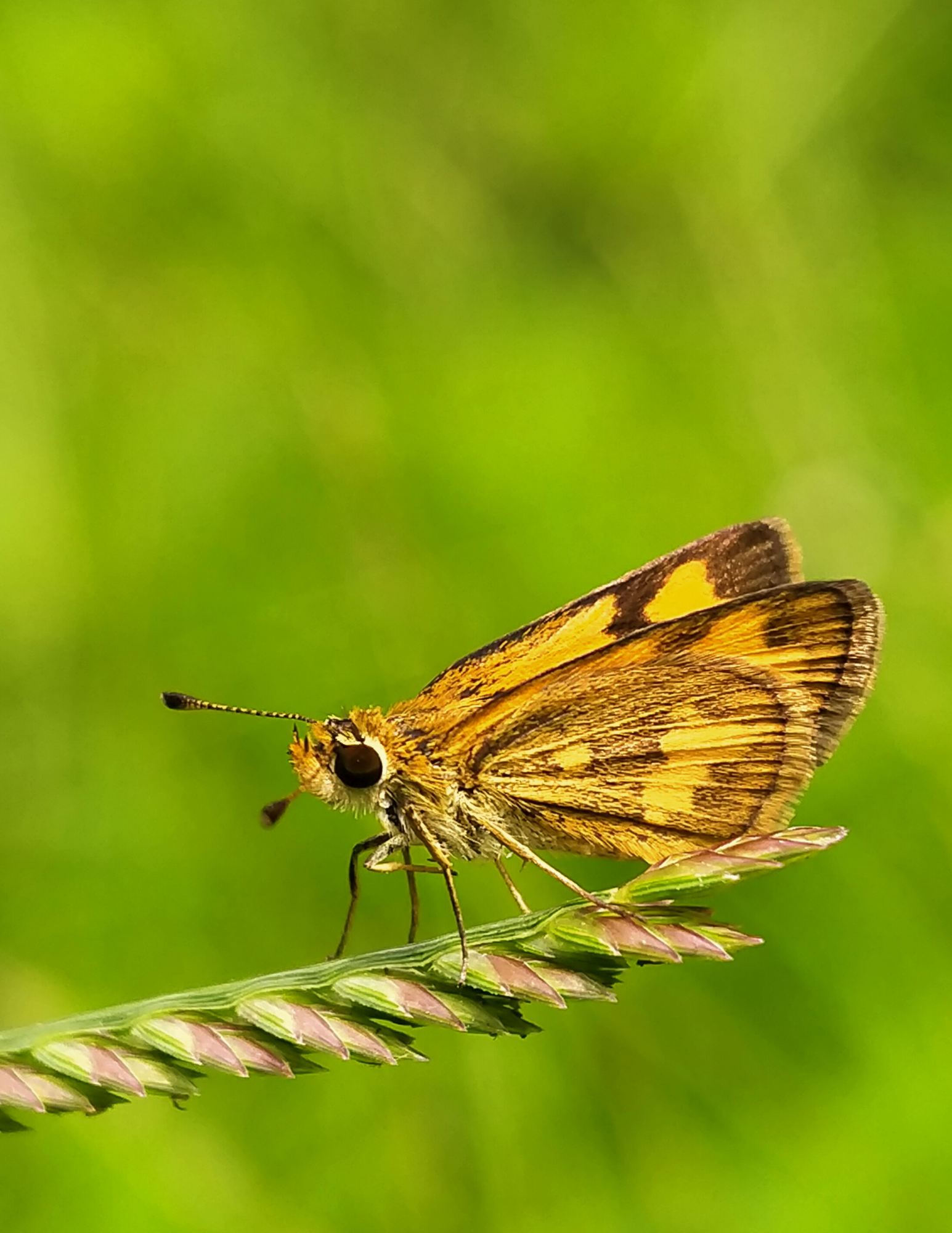
SKIPPER BUTTERFLY
Skipper butterflies are easy to recognize by the unique way they hold their wings, often folding them together when at rest. As adults, they feed on the nectar of asters, goldenrod, thistles, wild strawberries, cinquefoil, milkweed, clover, and vetch. Their caterpillars rely on native perennial grasses, sedges, and bunchgrasses for food and shelter.
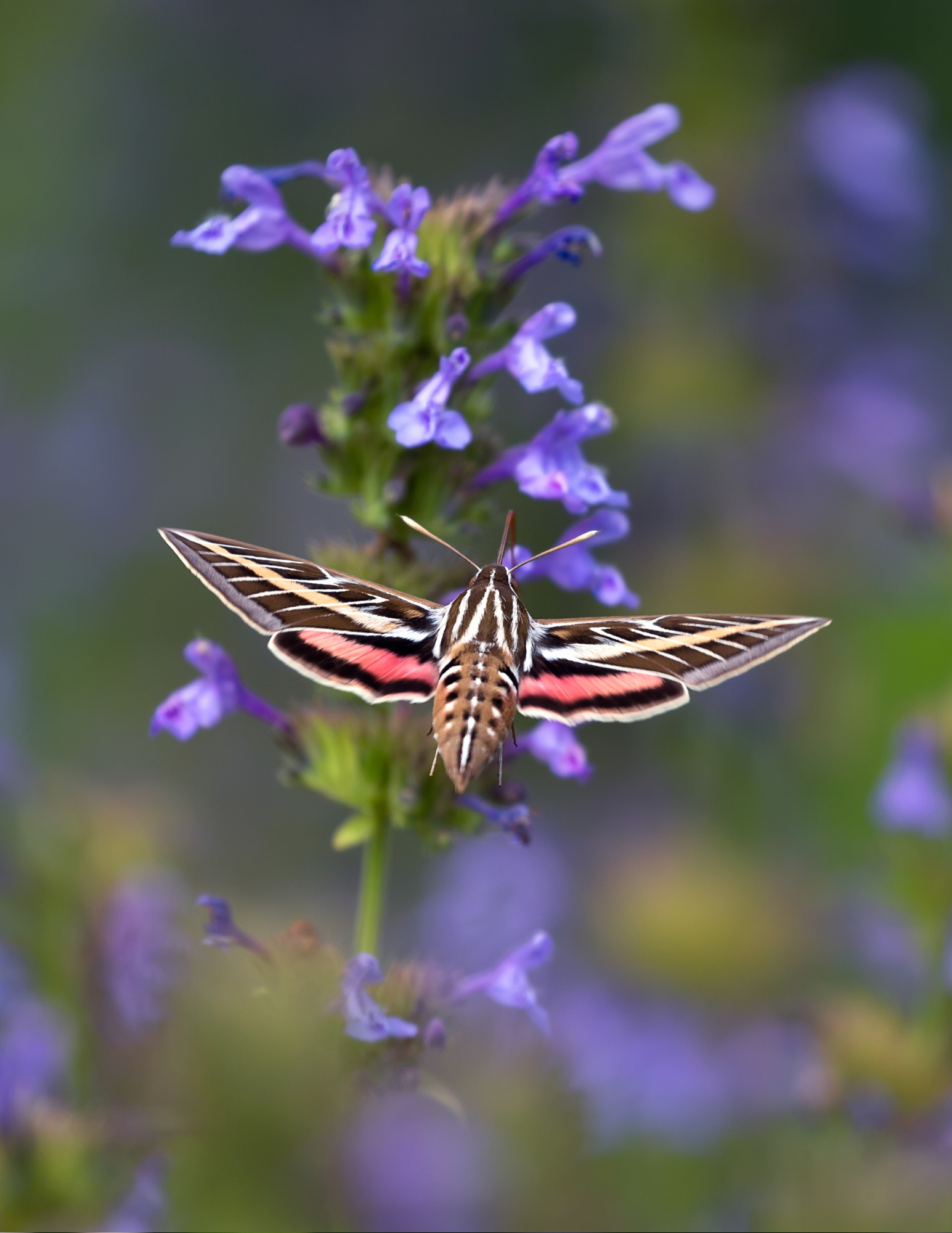
White-Lined Sphinx Moth
While it may not be a butterfly, this impressive moth is just as fascinating! The White-Lined Sphinx Moth is active during the day and sips nectar from flowers much like a butterfly. Even more amazing, it can fly both forwards and backwards—just like a hummingbird! As adults, these moths are important pollinators, visiting a variety of flowering plants for nectar. Their caterpillars feed primarily on plants in the Evening Primrose family, as well as four-o’clocks, fireweed, willowherb, sand verbena, and gaura. They’ve also been known to munch on portulaca, fuchsia, grape, and apple.
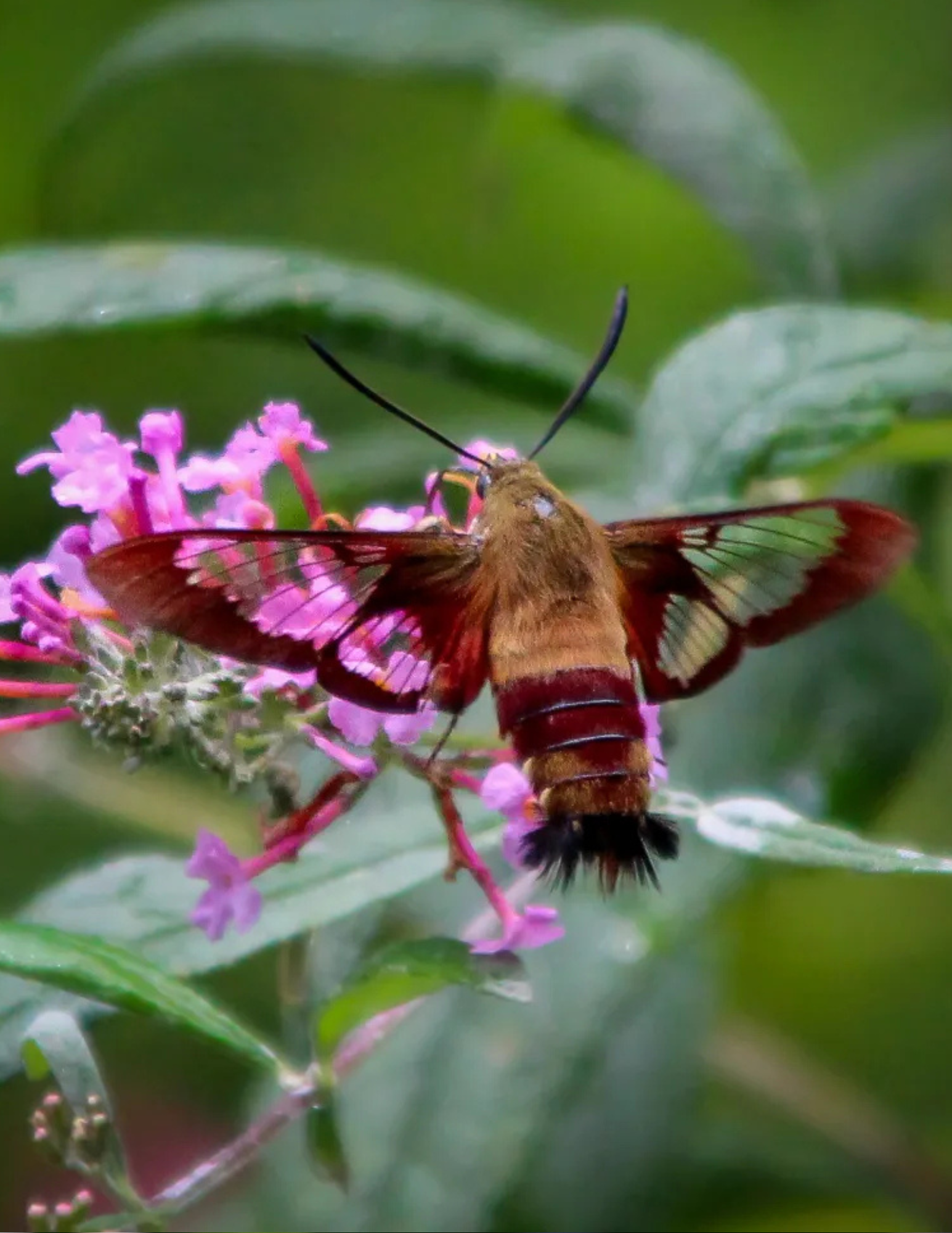
CLEARWIG MOTH
Clearwing moths are drawn to tubular flowers such as lilac, bee balm, snowberry, phlox, thistles, red clover, and dogbane, where they feed on nectar. Their caterpillars feed on a variety of woody plants, including honeysuckle, snowberry, hawthorn, cherry, plum, rose, and viburnum.
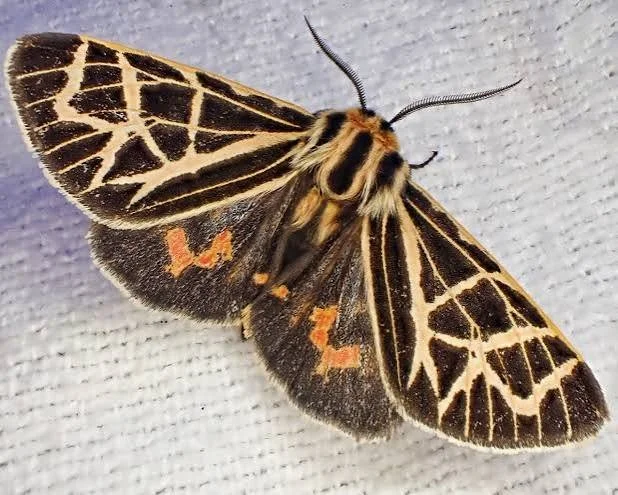
TIGER MOTH
Tiger moths are known for their distinctive patterns and striking orange hindwings, which make them easy to spot when they’re on the move. Interestingly, males and females can look quite different from one another! These moths are nocturnal, meaning they are most active at night and rest during the day. As adults, they have a short lifespan and typically don’t eat at all. Instead, their caterpillars do the feeding, munching on plants such as dandelions, knapweed, thistle, plantain, clover, and knotweed.
There are dozens of species of “little brown moths” that are all important food for birds, bats and amphibians. They can also serve as important night time pollinators!
NATIVE PLANTS FOR BUTTERFLIES
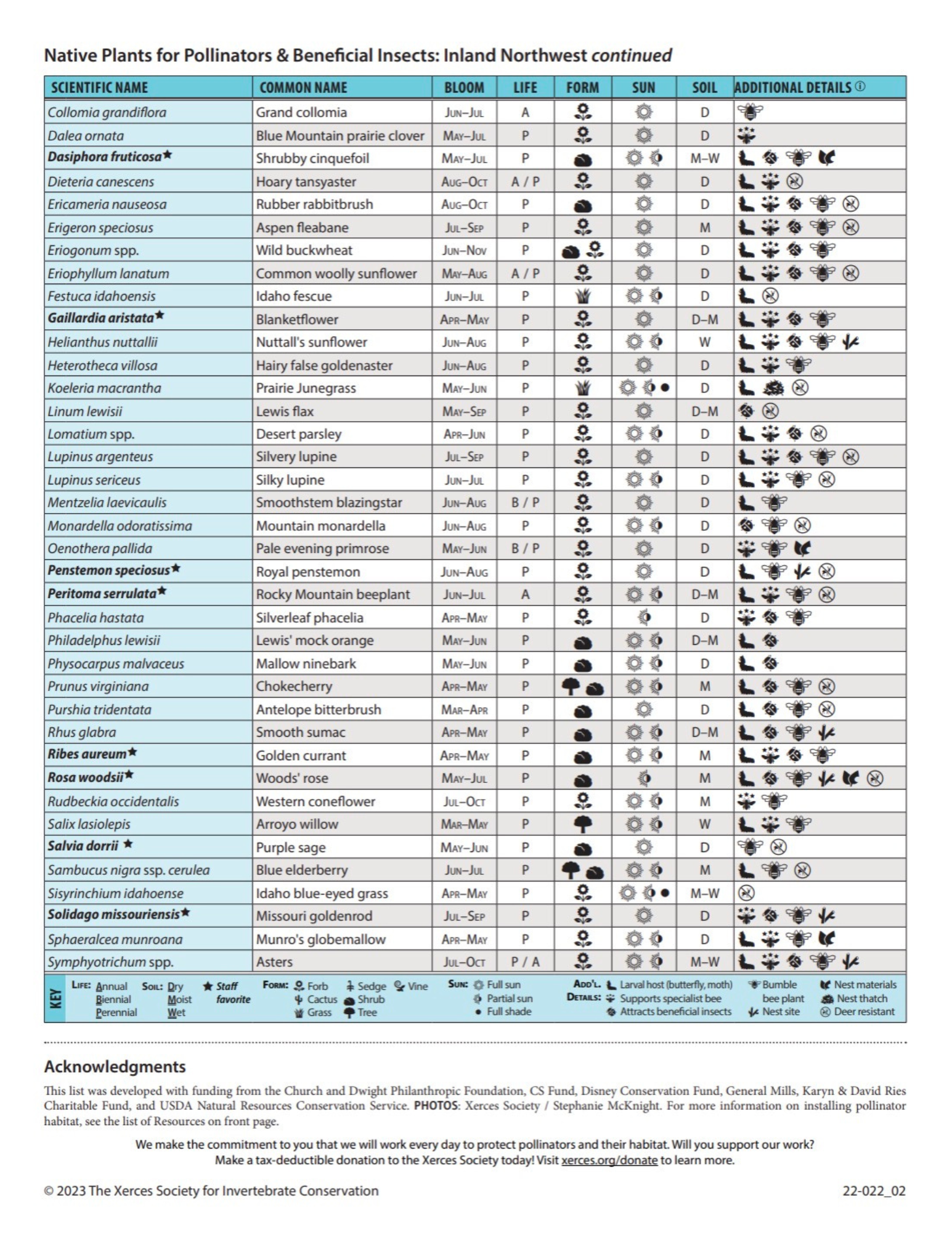
Native plants host many butterfly and moth species. Planting several in your yard will ensure that native pollinators have a place to lay their eggs. Some common species include:
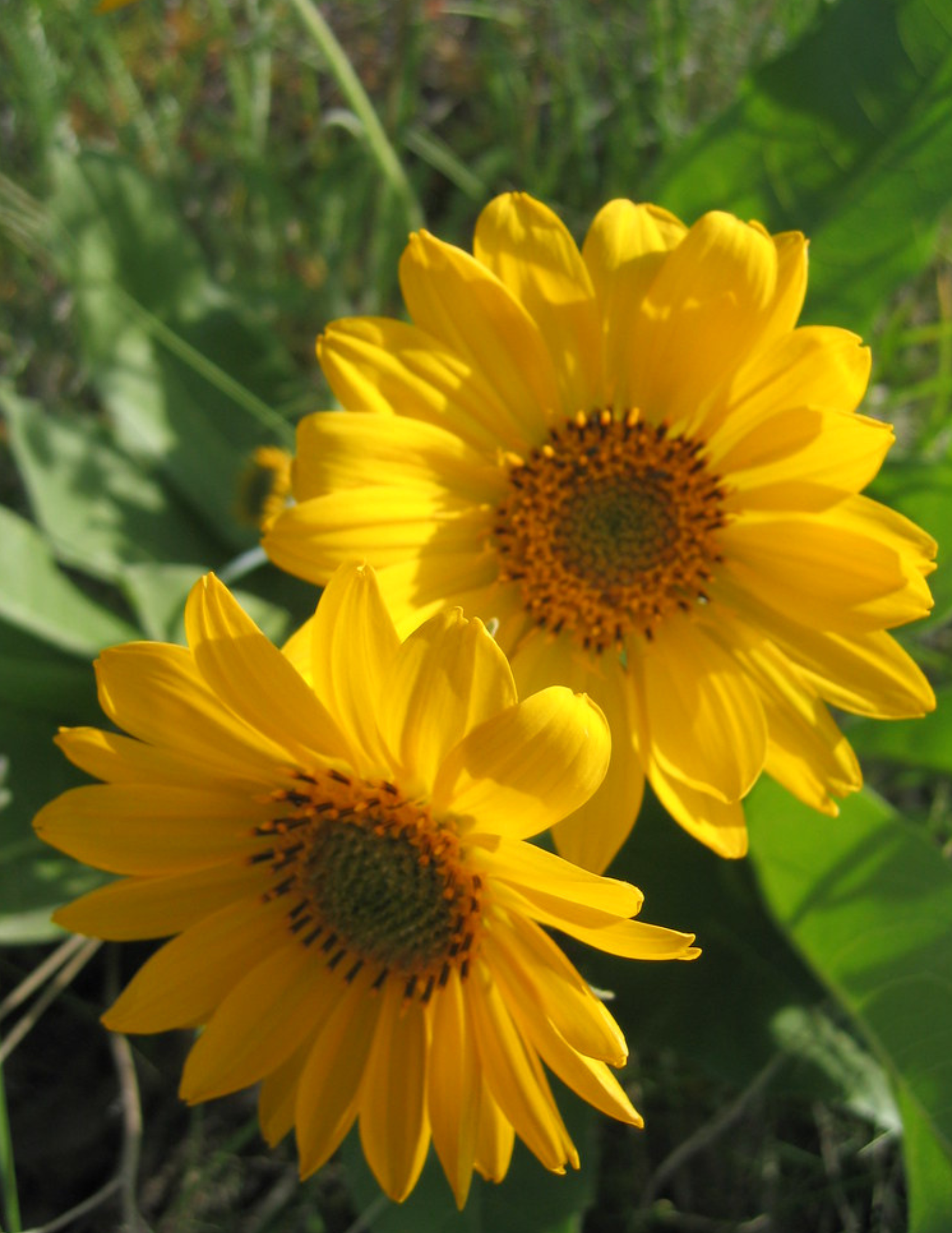
Arrowleaf Balsamroot
This perennial wildflower makes a bright statement in spring, providing an important source of nectar for many species of pollinator, including swallowtails, fritillaries and checkerspots. This plant is an important host plant for the Painted Lady, as well as several species of native moths.
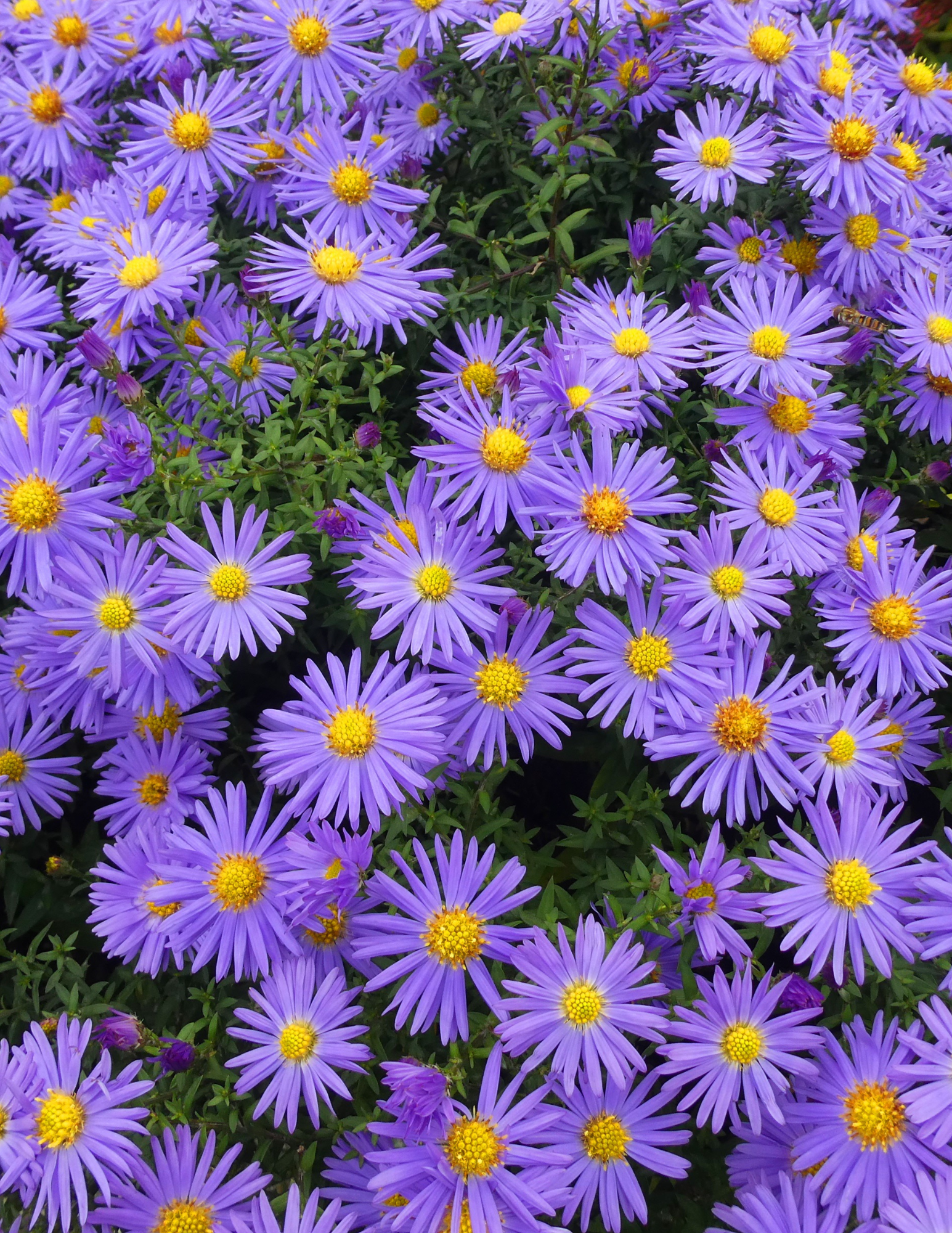
aster
Native asters in the Symphyotrichum and Eurybia genera are a valuable source of nectar for over 100 species of butterflies, but are also host plants to Pearly Crescent, Painted Lady, Silvery Checkerspot and Asteroid moths.
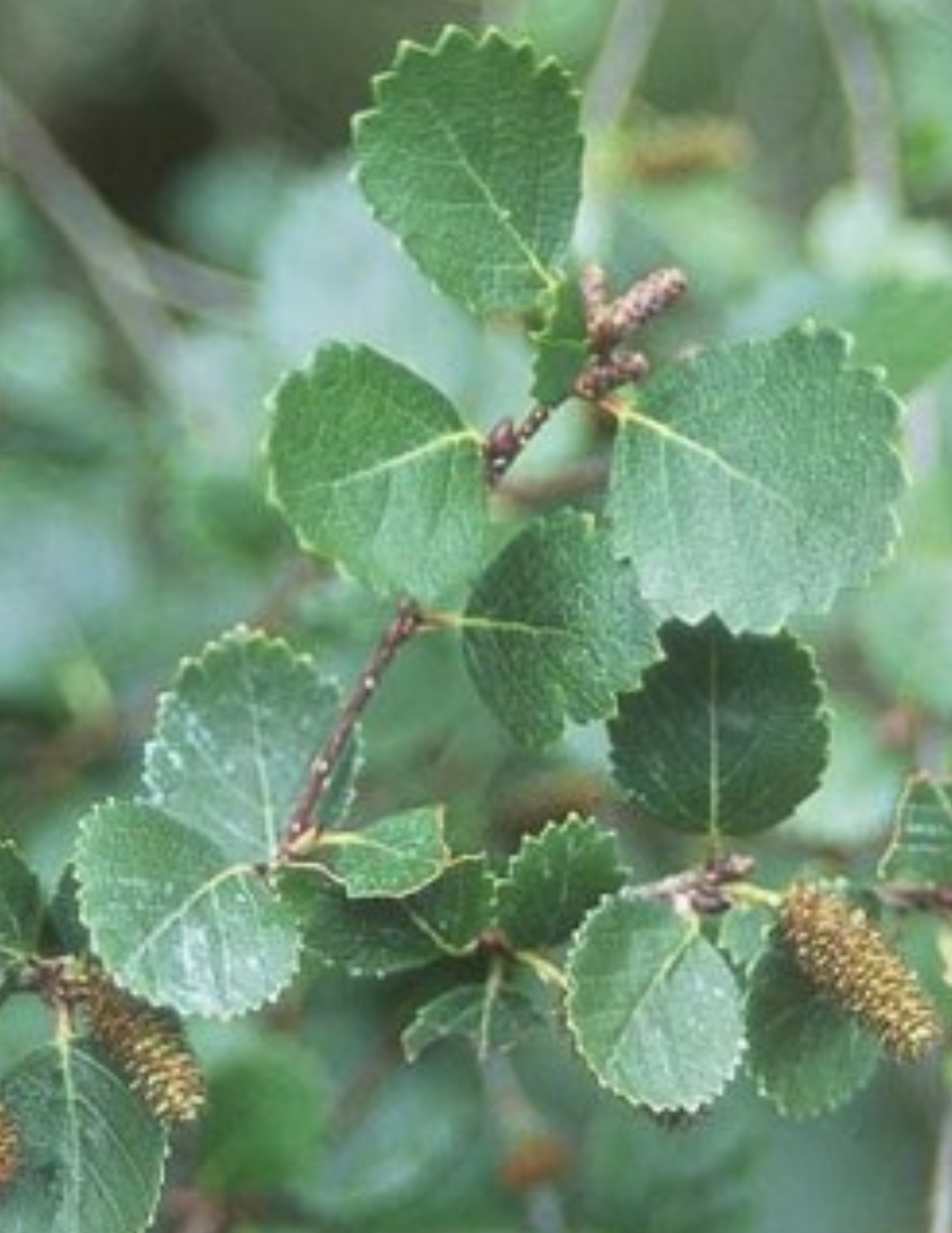
bog birch
This large shrub loves water and is a host plant for many geometrid and prominent moths as well as brush-footed butterflies.
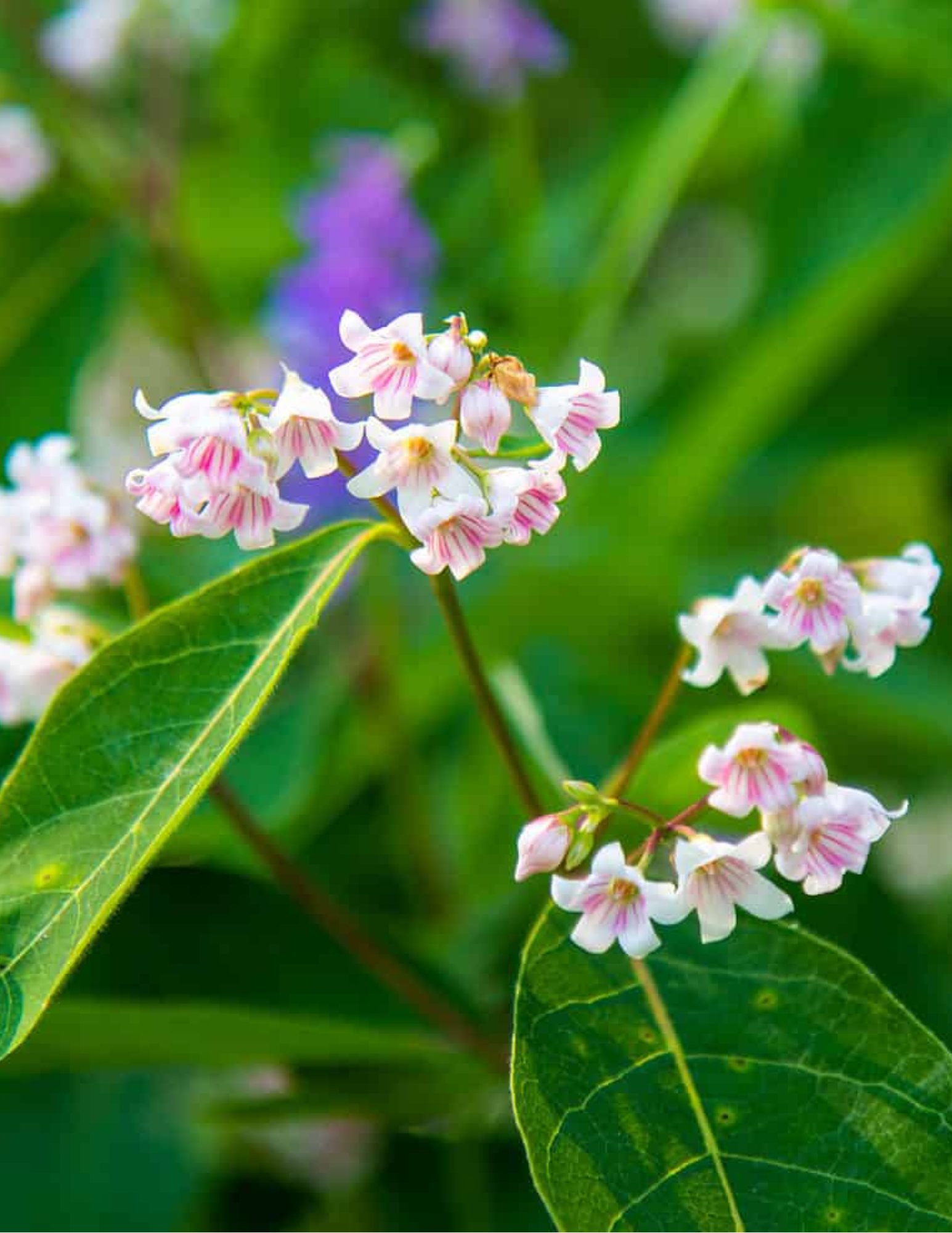
DOGBANE
This is a plant with sticky, milky sap that is poisonous to animals and people. Native Americans used it to make hemp string. The flowers are fragrant and attract a number of different kinds of pollinators including swallowtails, checkerspots, fritillaries, coppers and hairstreaks. The caterpillars of the dogbane tiger moth and several species of clearwing moth love to eat this plant.
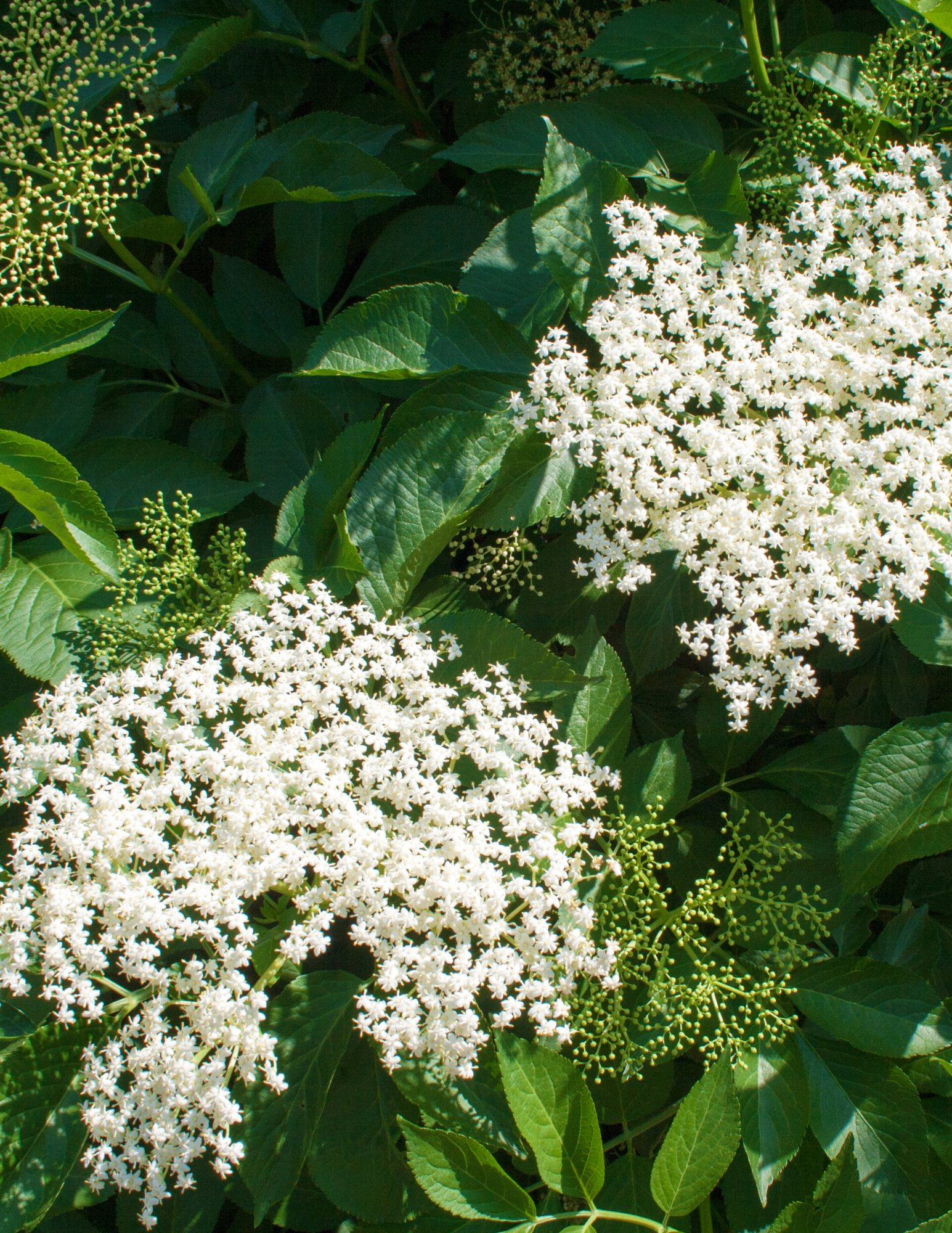
ELDERBERRY
This large herbaceous perennial is home to the Echo Azure butterfly, Polyphemus moth and Sphinx moths.
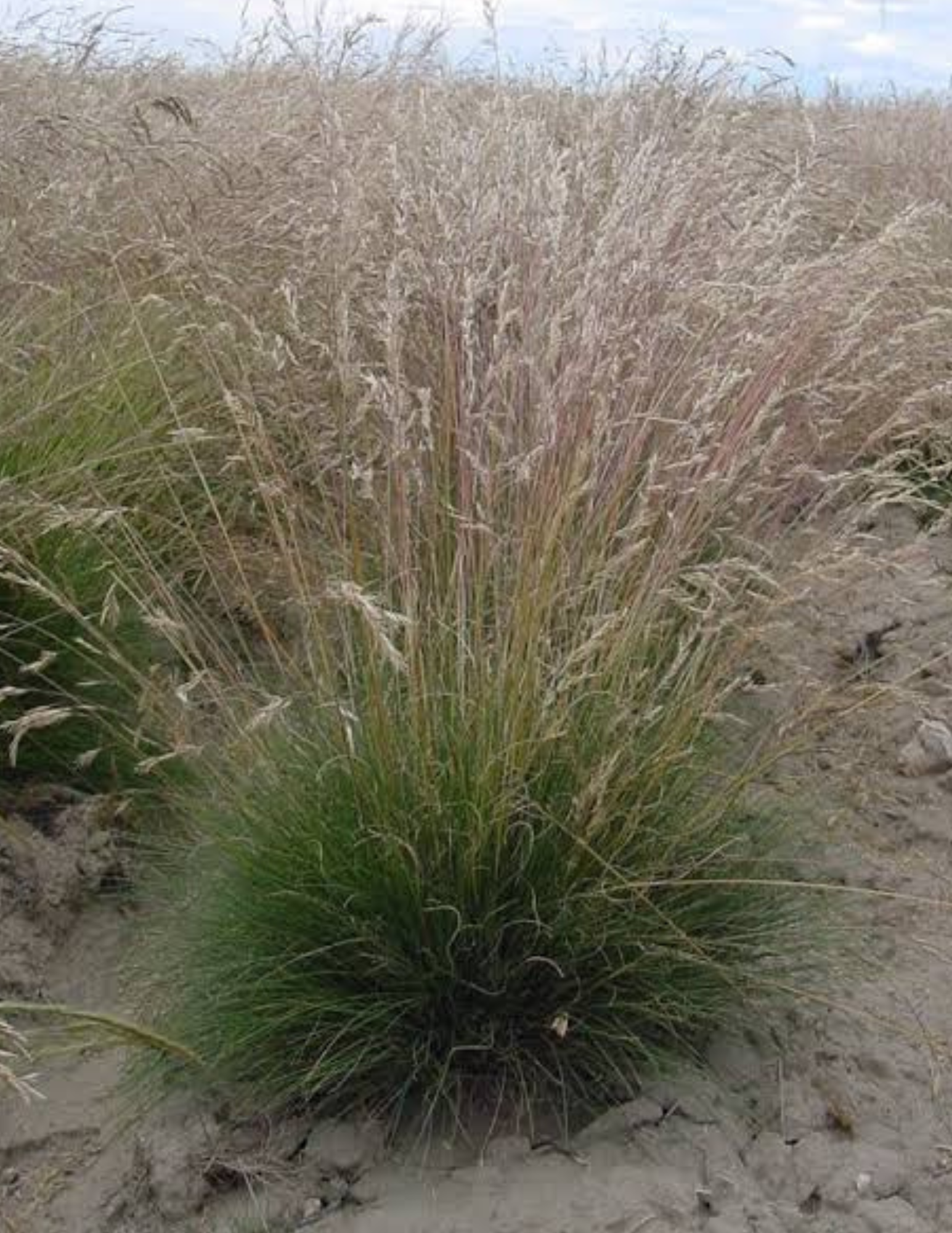
IDAHO FESCUE
This native grass (along with other native grasses) is host to several species of skipper butterflies as well as the Common Ringlet and the Small Wood Nymph butterfly.
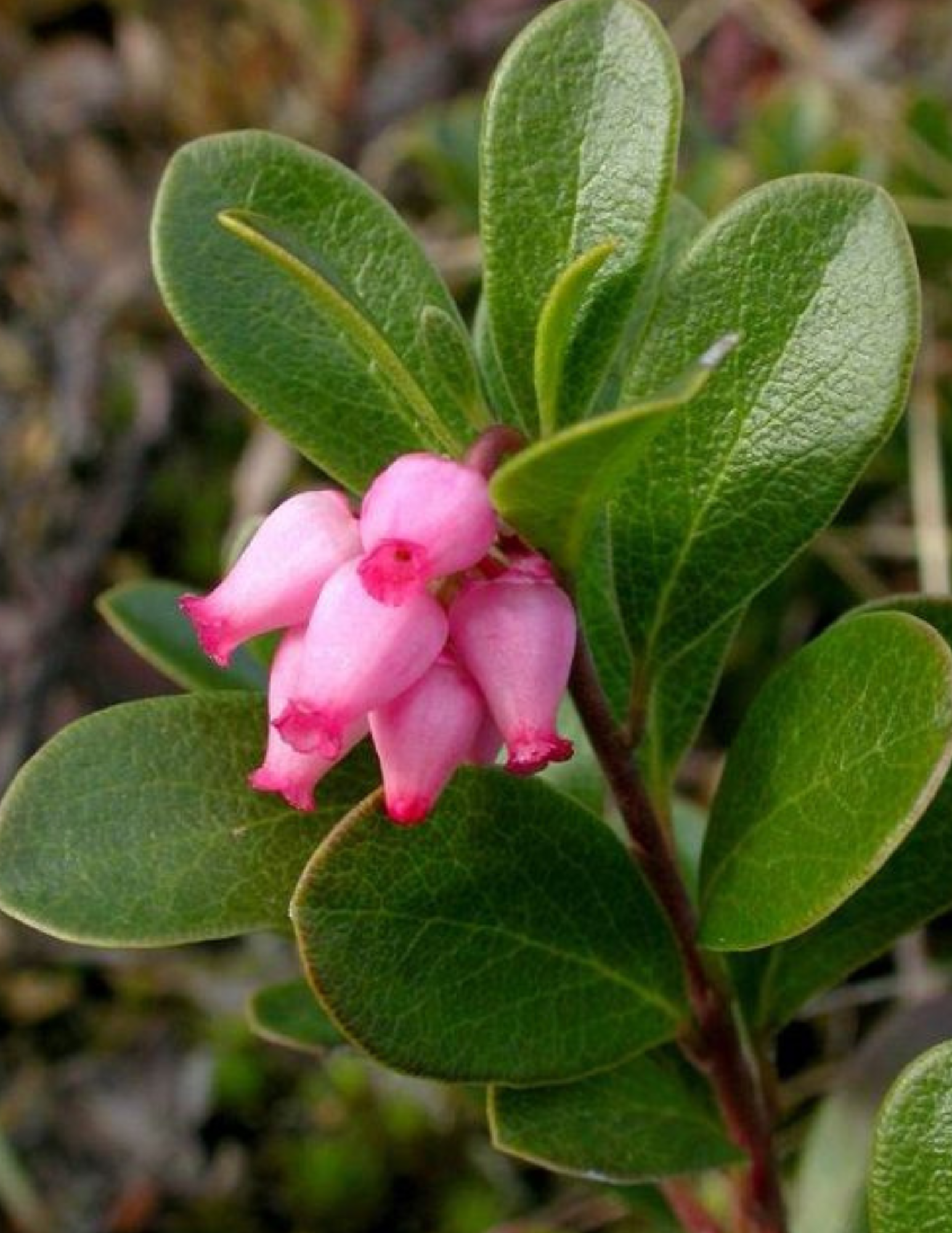
Kinnikinnick
This important native evergreen groundcover is host to Elfin Hairstreaks and several species of moth.
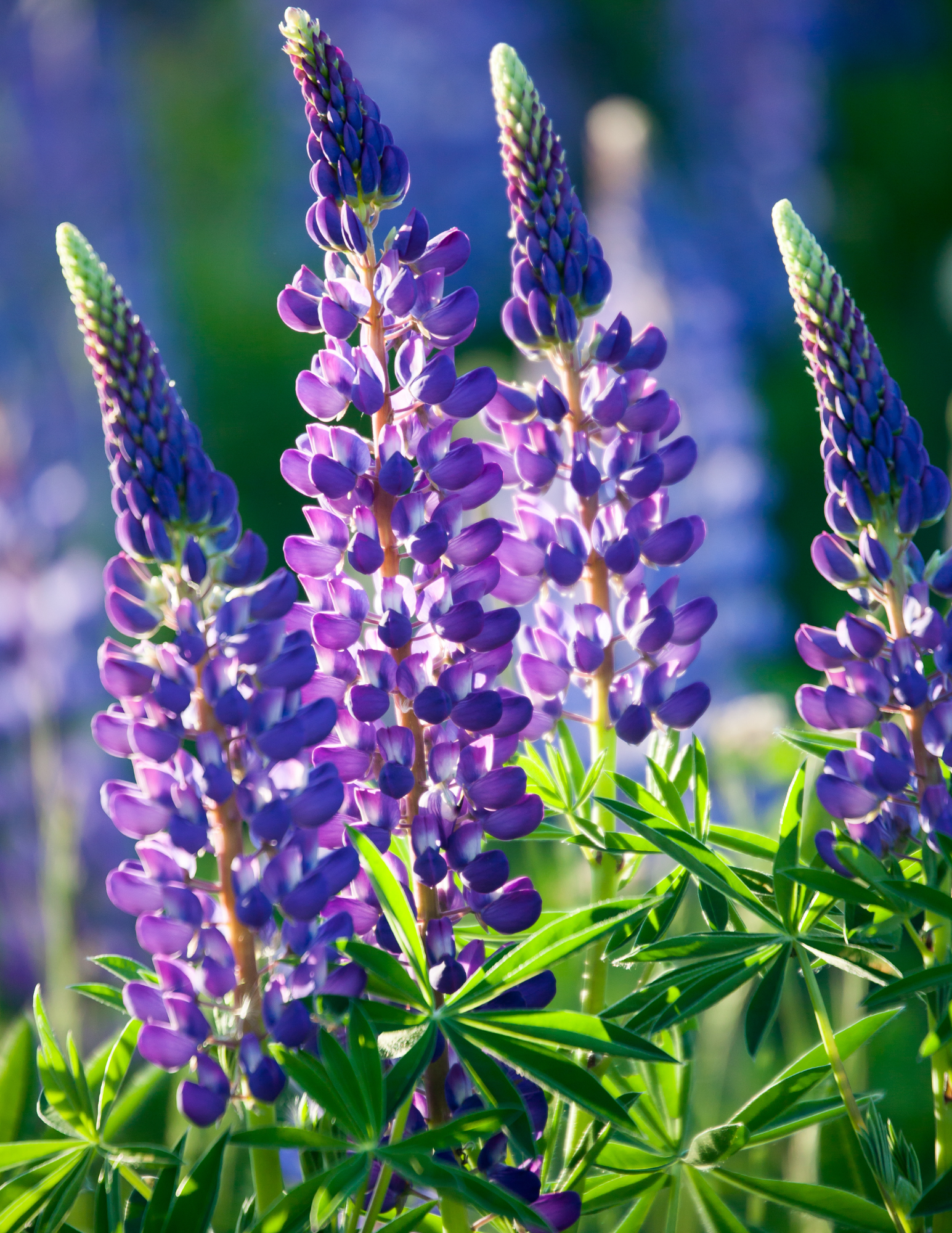
LUPINE
Native lupine wildflowers are a critical, early-season nectar and pollen source for bees, butterflies and hummingbirds. They also are host plants for Common Blue butterflies and the Afranius Duskwing moth.
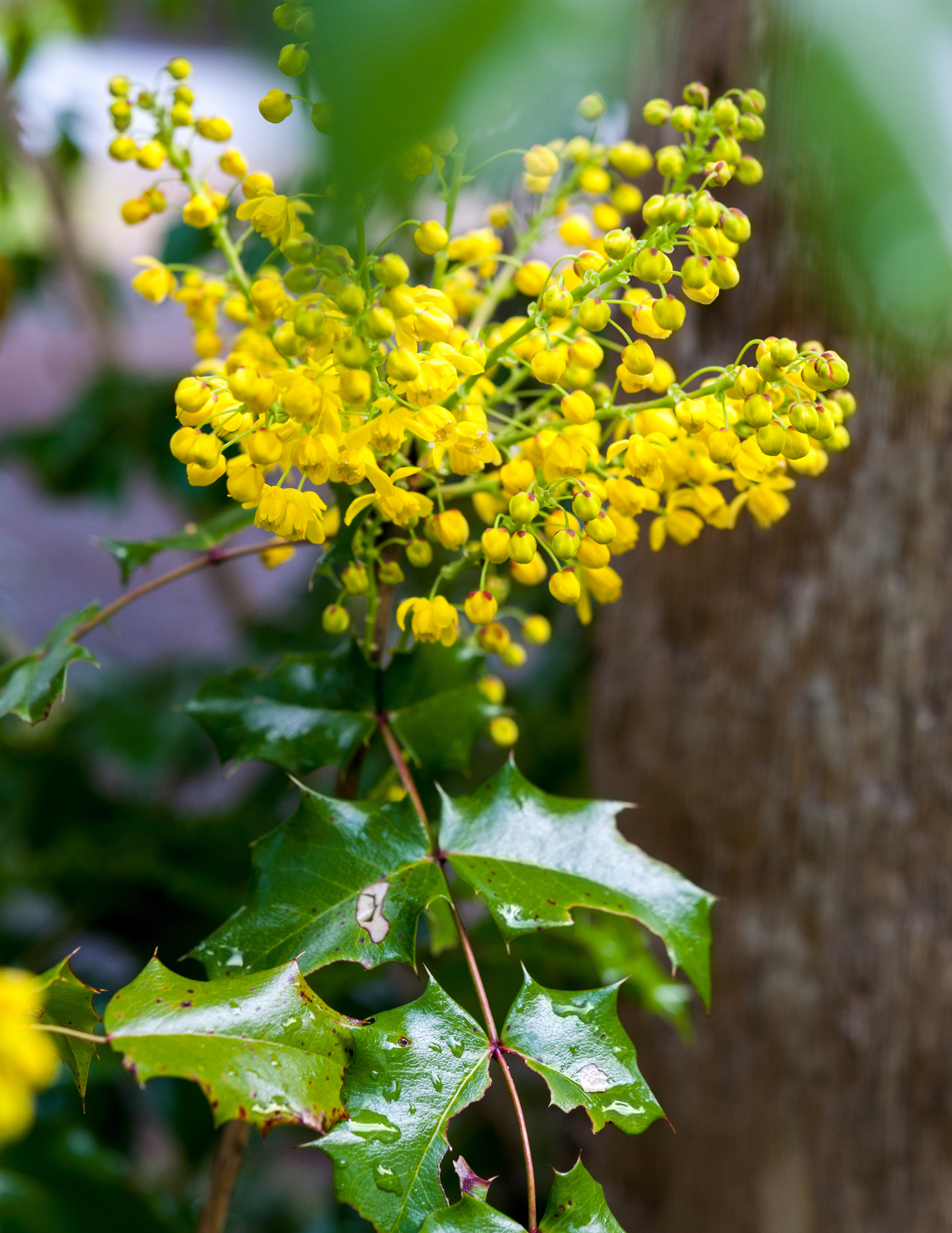
MAHONIA
This evergreen groundcover or shrub is host to only one species; the Brown Elfin Hairstreak.
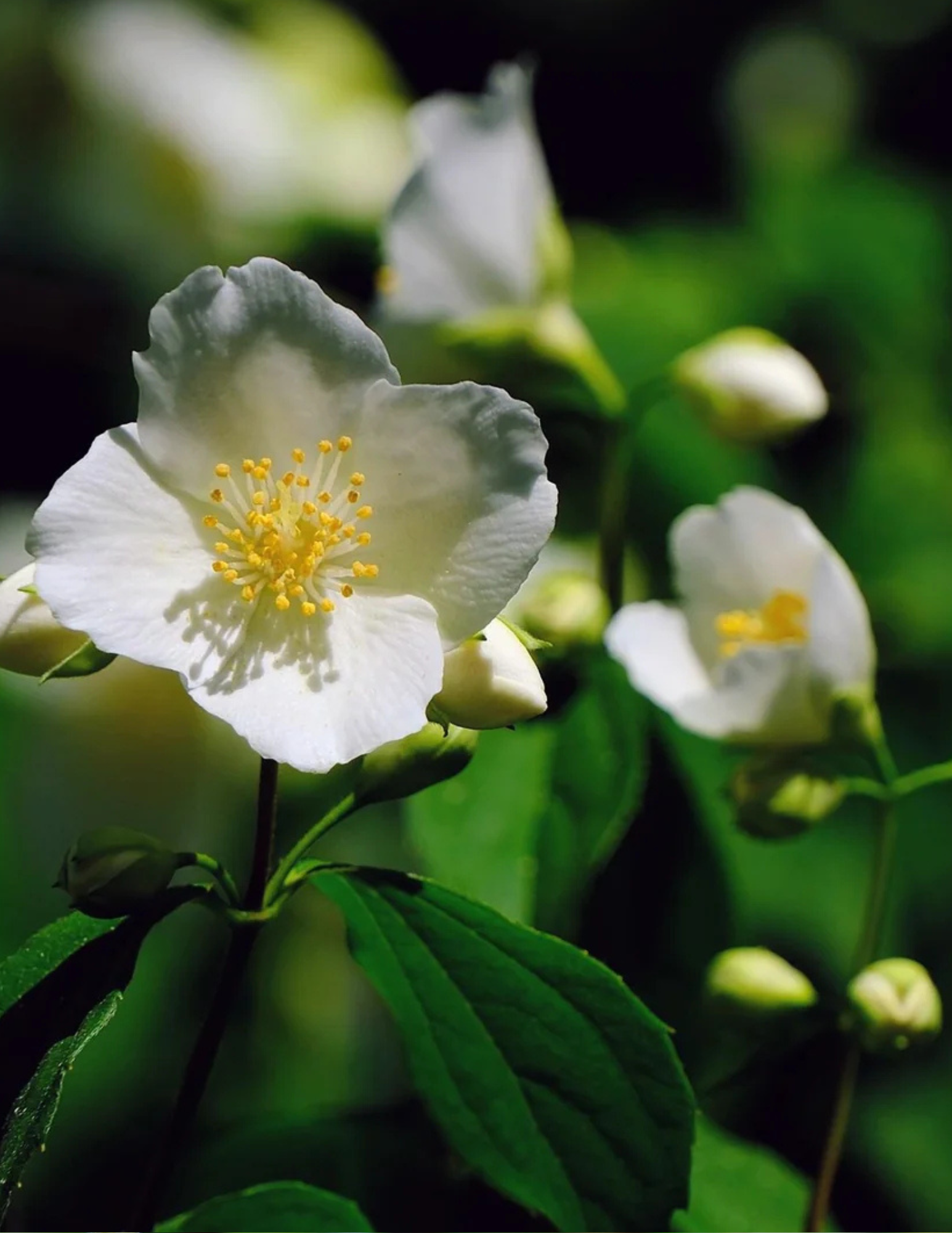
MOCK ORANGE
This deciduous shrub boasts large fragrant flowers in late spring and is Idaho’s state flower! It is a host plant for Johnson’s Euchlaena moth, mountain-mahogany looper moth and the Sooty-winged Eupithecia moth.
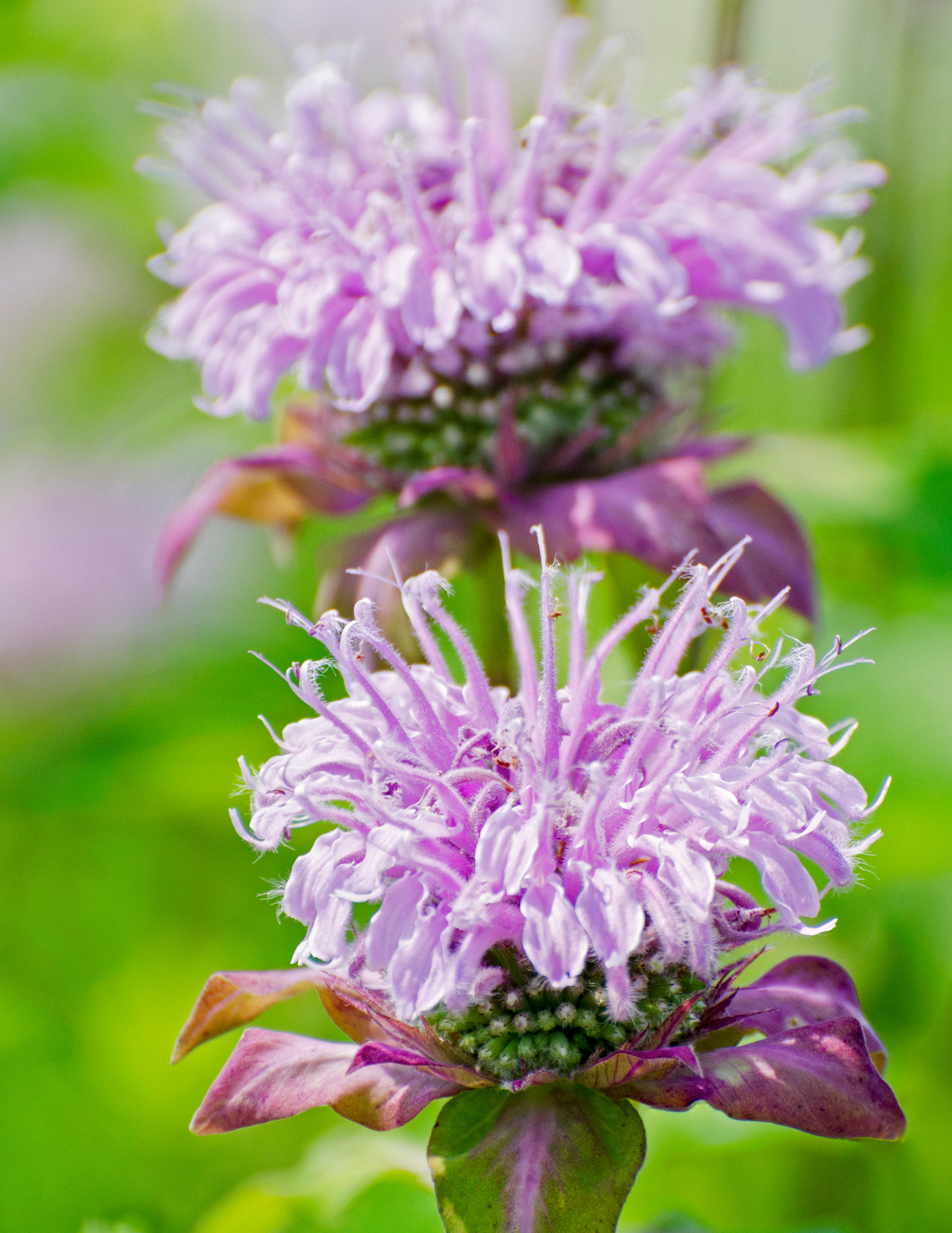
MONARDA
This native bee balm wildflower is an important nectar plant for several species of butterflies, but is also a host plant for the Raspberry Pyrausta moth, the Hermit Sphinx moth and several species of Snout moths.
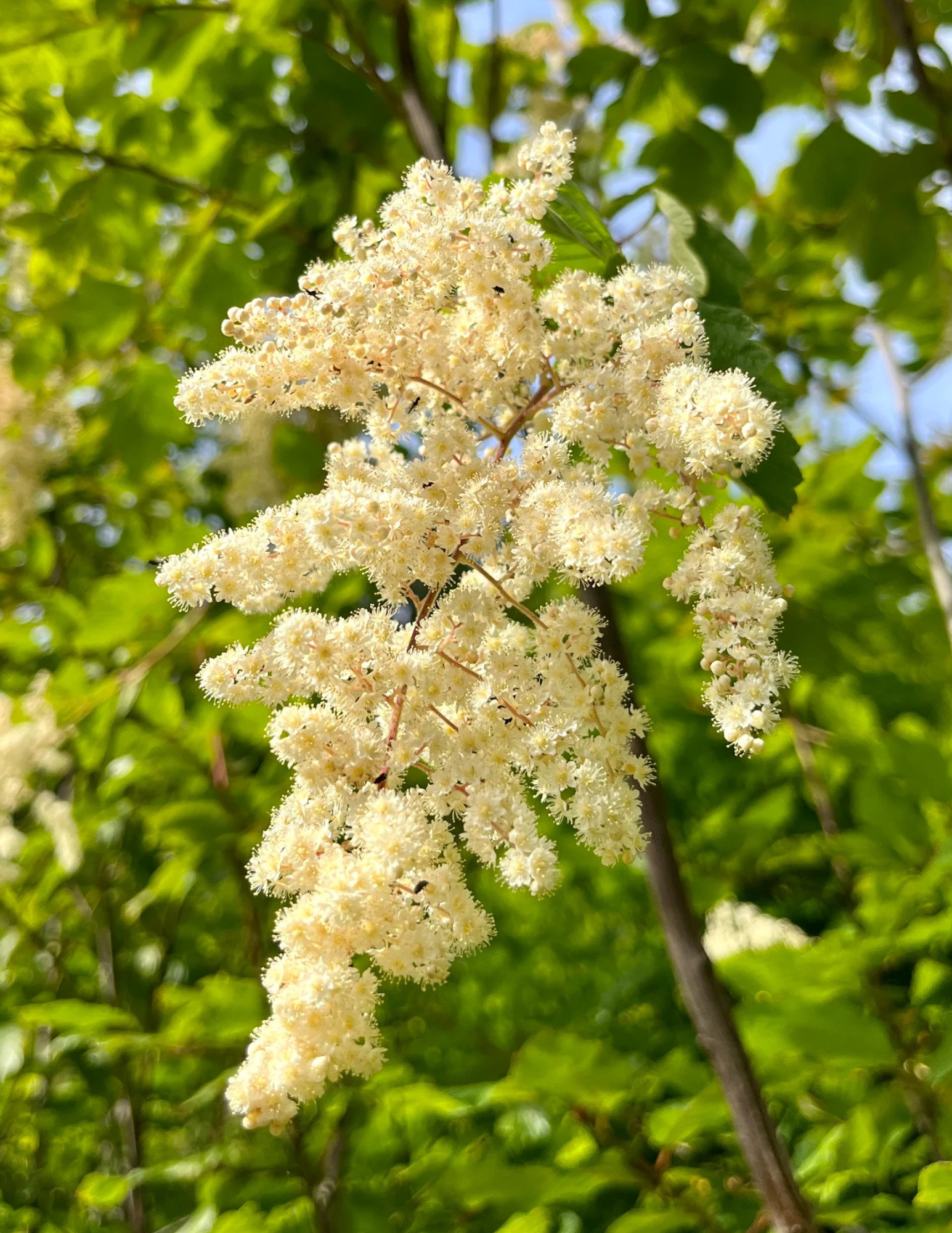
Oceanspray Holodiscus
This large deciduous shrub is host to several species, like the Pale Swallowtail, Lorquin’s Admiral, Spring Azure, Brown Elfin, Weidemeyer’s Admiral and Fairy Longhorn moths.
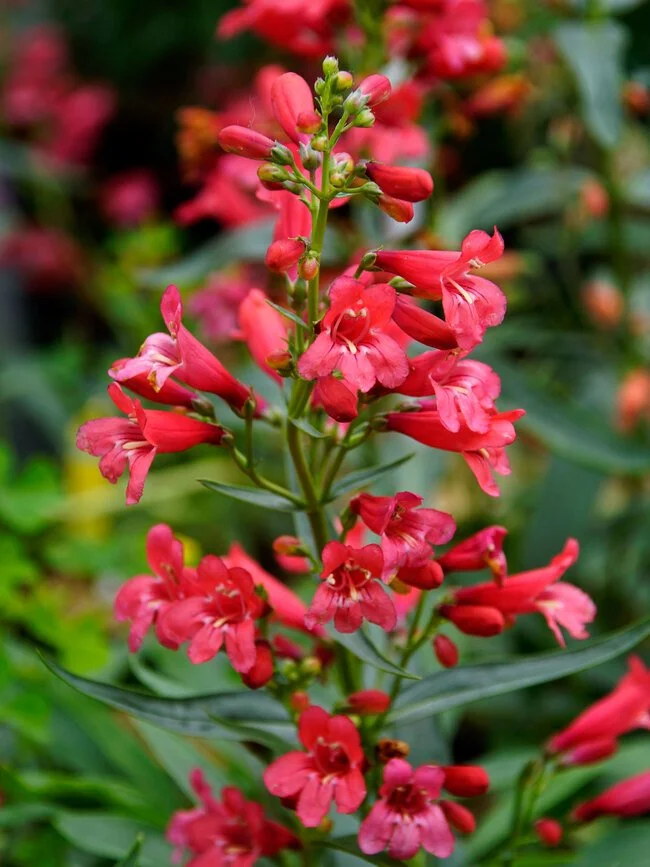
PENSTEMON
This native wildflower is host to several checkerspot butterflies and the Anise Swallowtail.
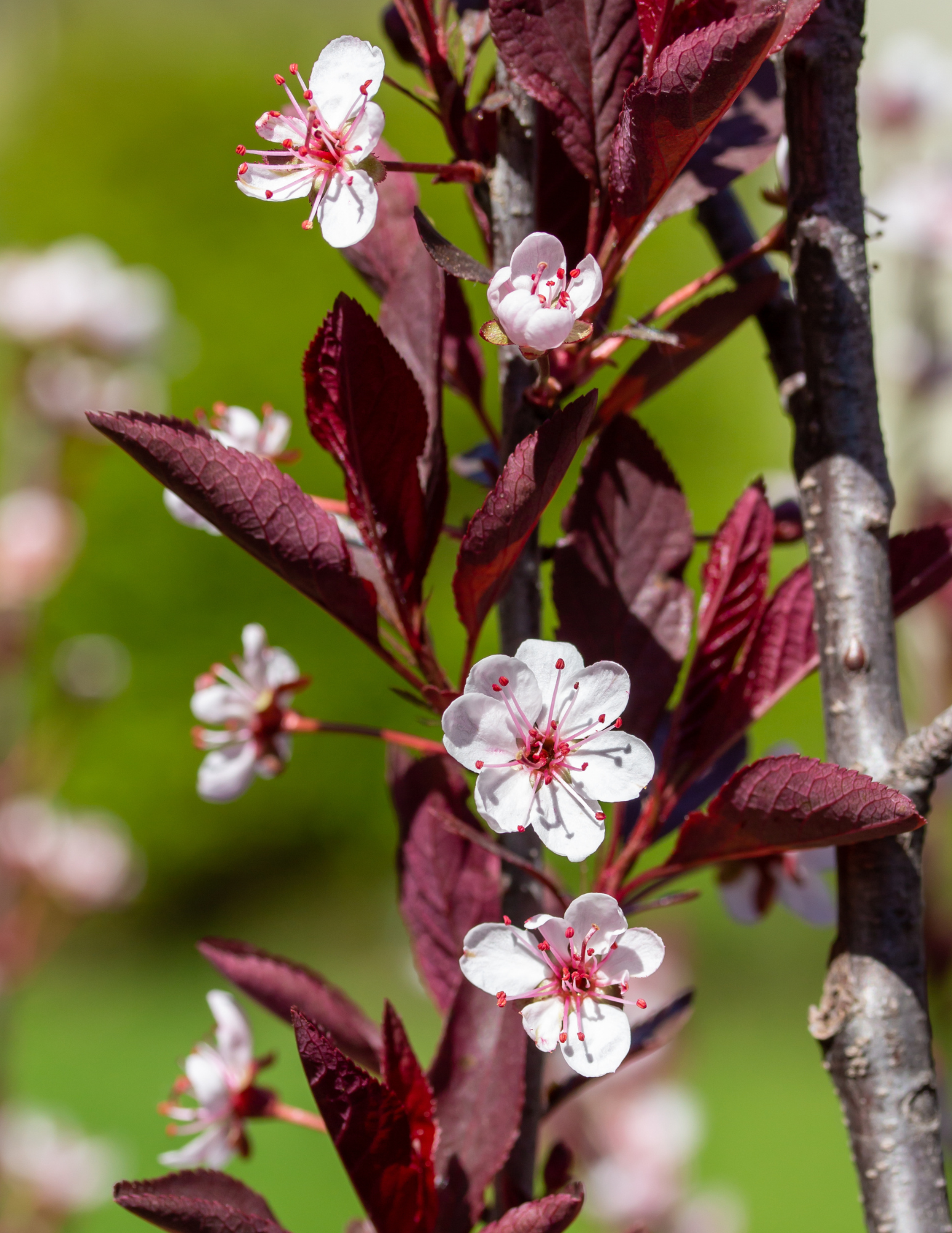
SAND CHERRY
This shrub thrives in full sun and can tolerate dry soil. Many caterpillars love this plant, including the Hummingbird Clearwing moth, Eastern Tiger Swallowtail, Red Spotted Admiral, Cecropia moth and the Polyphemus moth.
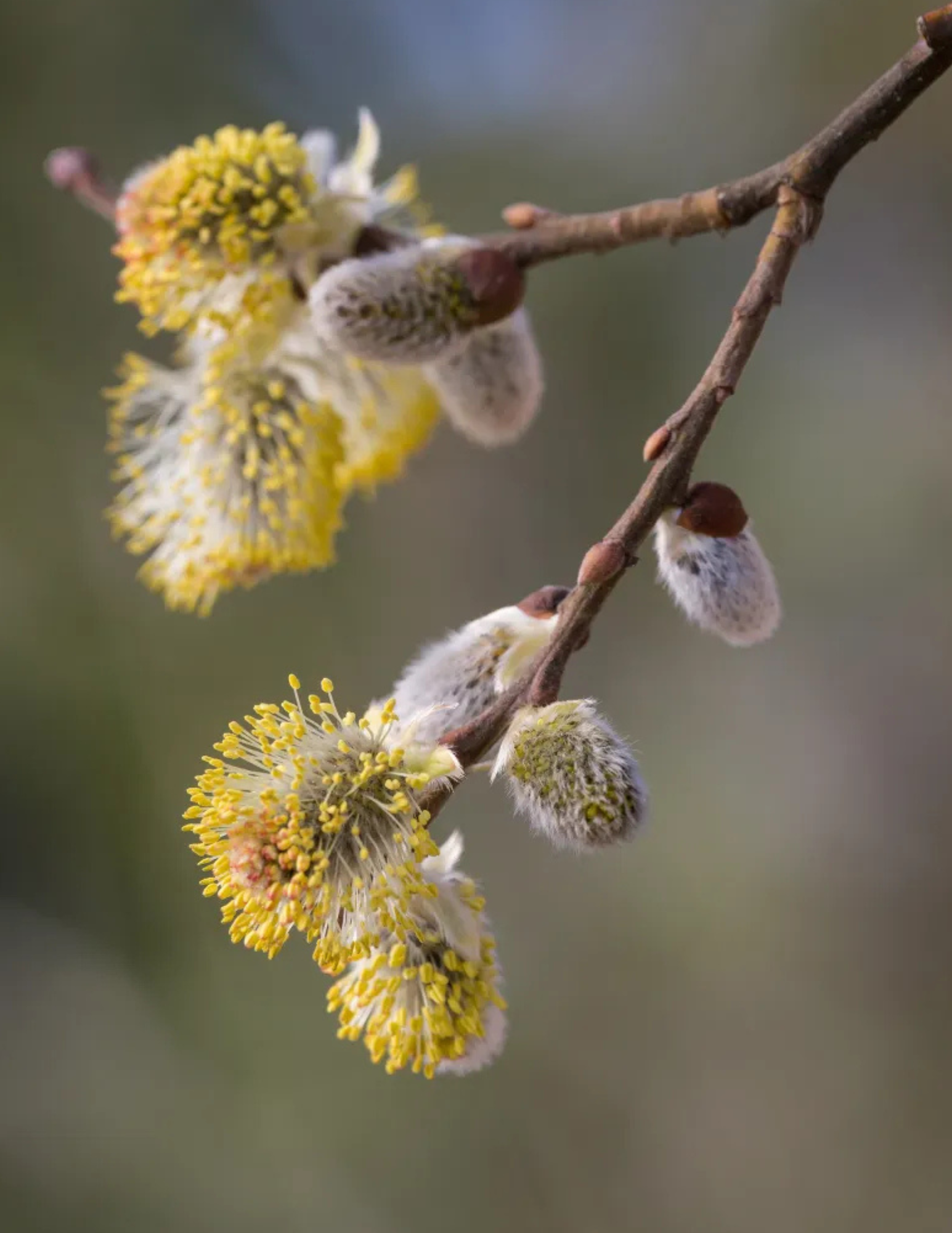
Scouler’s Willow
This shrub loves moist soil and is an important host plant for over 200 species of moths and butterflies. In our area, its most common caterpillars are the Luteus Dart moth, Acerra Normalis (a brown moth) and the Funerary Dagger moth.
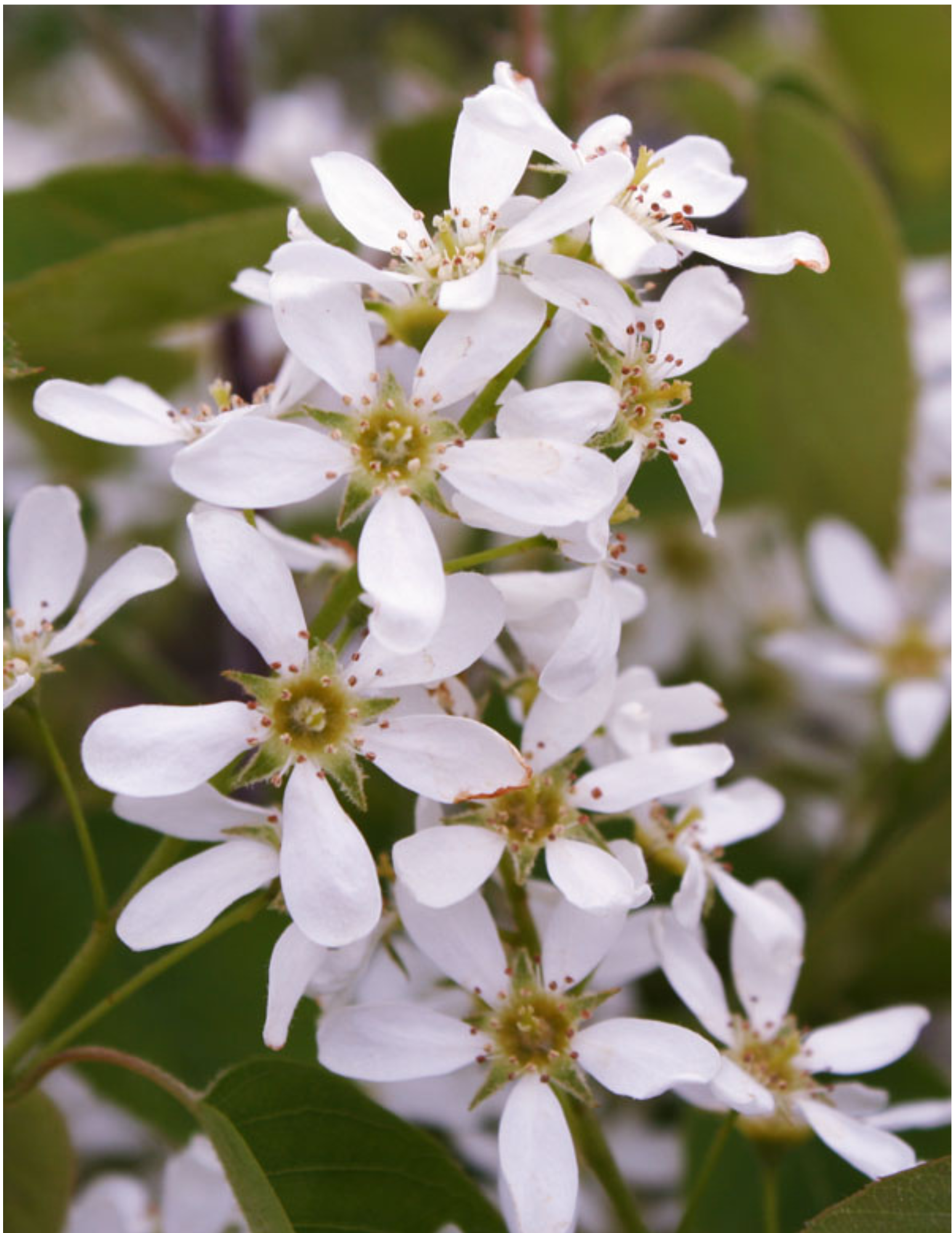
SERVICEBERRY
This large shrub (6–12’) can handle part sun to full sun and drought conditions. It is a host plant for Swallowtails, Brush-footed butterflies, Hairstreaks and Sphinx moths.
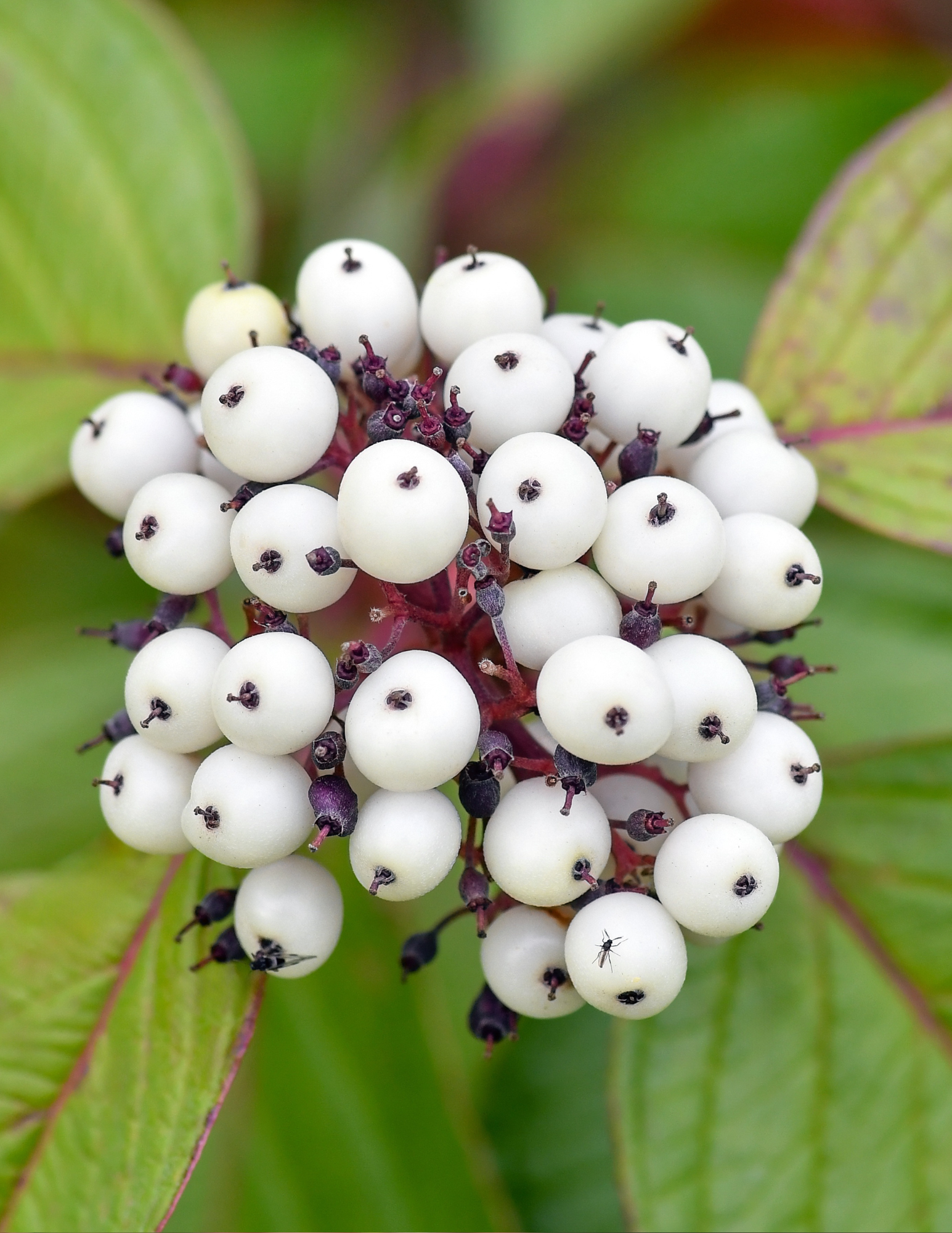
Snowberry
This shrubby ground cover is loved by Sphinx and Clearwing moths as well as the Snowberry Checkerspot butterfly.
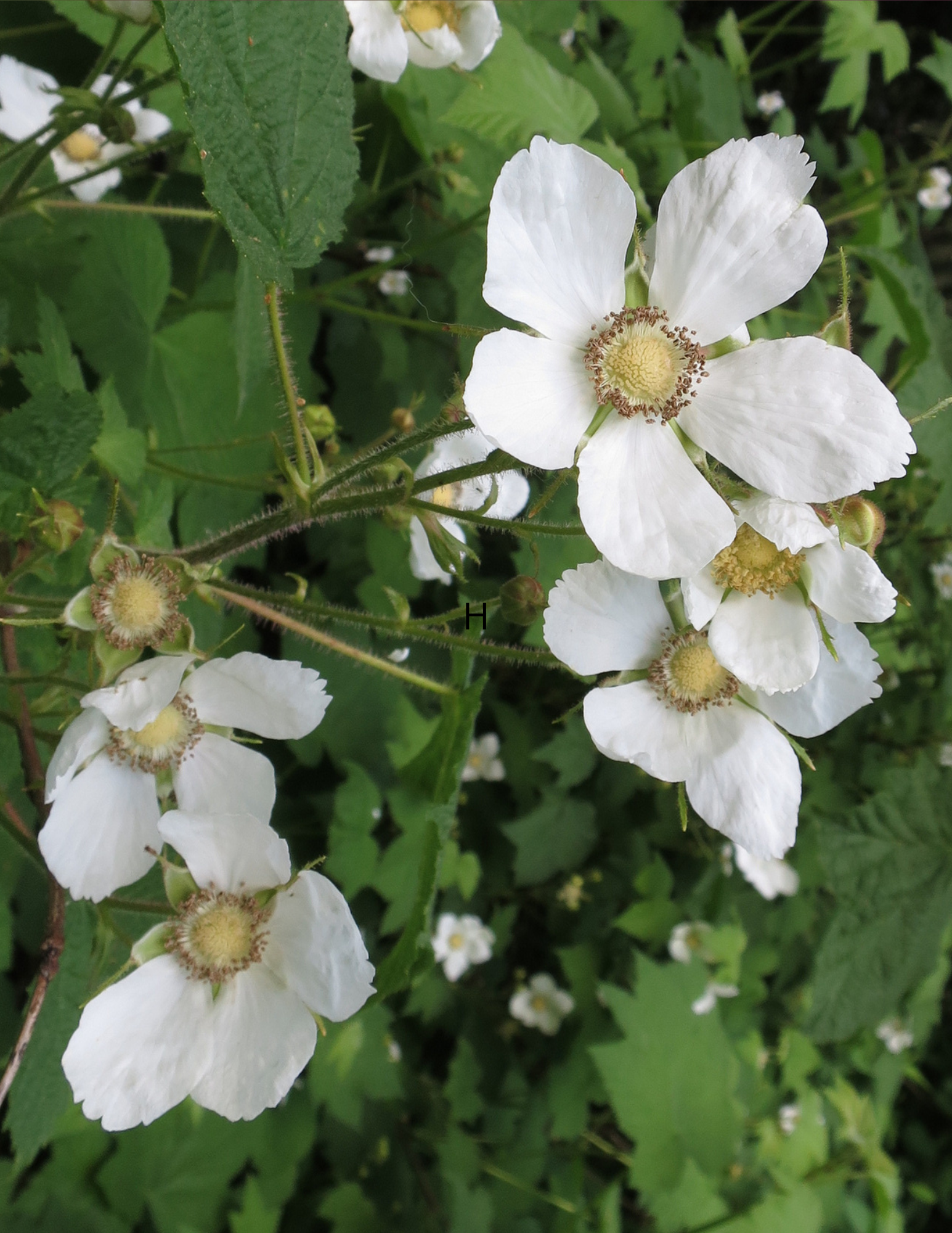
Thimbleberries
This woody cane berry has flowers that benefit many pollinators and berries that supply food for animals, birds and butterflies. It is a host plant for the Yellow-banded Sphinx moth.