Native Gardening
Definition: Native means - for our purposes - that the plant grows naturally and is indigenous to the Pacific Northwest or the Rocky Mountains. Plants from the east coast or the southern half of the US are not considered “native”. Plants that naturalize and become invasive may or may not be native. Plants that were introduced by pioneers are not native, even though they have been around for hundreds of years (cheat grass and goat heads are good examples). Keep in mind that our nursery will often list the “cousins” of native plants as natives (like ninebark) because they are the same genus and have similar characteristics. We may also call them “native adjacent”.
Benefits of Native Plants: Native plants will often use less water and require less fertilizer than plants that come from other parts of the US and elsewhere around the world. They are accustomed to our native soils and will require less work to establish. Native plants are also important for native species of insects and animals. Less fertilizer means less overall pollution to the environment. Native plants generally tend to need less maintenance. They can be just as aesthetically pleasing as non-native species with less work. We carry a lot of plants native to Japan and Europe but we try not to carry species that are invasive so they work well in a home garden environment without affecting our beautiful forests. Invasive plants that our nursery does carry that you may wish to avoid are species of Euphorbia, Genista and Aegopodium or species that spread by rhizomes or reseed aggressively.
Care of Native Plants: Keep in mind that if you put a native plant into your flower bed and water and fertilize regularly, it may become just as high maintenance as an introduced species. Native plants should be given some “tough love” and encouraged to fend for themselves as much as possible. This will encourage deeper root systems to help sustain them through the dryer months. This deeper root system will also give them access to more minerals, which means less fertilizer. Our job is to keep the soil as healthy as possible. We can do this by using minimal sprays and fertilizers, along with spreading good compost and mulching well with bark. Use the general rule of thumb “deep soak, then let the top dry out” to encourage deep rooting. Use an all purpose, organic fertilizer in the spring and top dress with good compost before winter. After plants are established (one to two years depending on the size of the plant) you should only need to water them sparingly during the hottest 8 weeks of the year. Native plants will have native pollinators as well as native predators and diseases. Some native plants can get more infections than non-native plants since they have no predators here. You may need to use a dormant oil spray to reduce infestations as well as utilizing spacing and companion planting. Keep in mind that some disease is normal in moderation and supports the life cycles of things that keep the ecosystem in balance.
List of Native Plants: This plant list is from https://idahonativeplants.org/northern-idaho-guide/
**note: ! indicates plants that naturalize (spread) **
Tall Shrubs (usually over 8 feet)
(All shrubs are deciduous unless noted otherwise.)
Alder, Sitka (Alnus sinuata).
Bittercherry (Prunus emarginata).
Cascara or buckthorn (Rhamnus purshiana).
Chokecherry (Prunus virginiana). .
Currant, golden (or yellow) (Ribes aureum).
Hawthorn, black (Crataegus douglasii).
Hawthorn, red (Crataegus columbiana).
Maple, Rocky Mountain (Acer glabrum var. douglasii).
Mountain mahogany, curlleaf (Cercocarpus ledifolius).
Ninebark, Pacific (Physocarpus capitatus).
Syringa, or mock-orange (Philadelphus lewisii).
Willow, Scouler’s (Salix scouleriana).
Medium shrubs (5 to 8 feet)
Buffaloberry (Shepherdia canadensis).
Currant, red-flowering (Ribes sanguineum).
Currant, snow (Ribes niveum).
Dogwood, red-osier (Cornus sericea, C. stolonifera).
Elderberry, blackbead (Sambucus racemosa var. melanocarpa).
Elderberry, blue (Sambucus cerulea).
Mountain-ash, Rocky Mountain (Sorbus scopulina).
Ninebark (Physocarpus malvaceus).
Oceanspray (Holodiscus discolor).
! Oregon-grape, tall (Berberis aquifolium).
Rose, baldhip (Rosa gymnocarpa).
Rose, Nootka (Rosa nutkana).
Rose, Wood’s (Rosa woodsii).
Serviceberry (Amelanchier alnifolia).
Sumac, smooth (Rhus glabra).
Low Shrubs (ordinarily under 4 feet)
Bearberry or kinnikinnick (Arctostaphylos uva-ursi).
! Blackberries and raspberries (Rubus species).
Pacific blackberry (R. ursinus).
Snow bramble or snow dewberry (R. nivalis).
Strawberry bramble (R. pedatus).
Thimbleberry (R. parviflorus).
Oregon grape, creeping (Berberis repens, Mahonia repens).
Sagebrush, big (Artemisia tridentata).
! Snowberry, common (Symphoricarpos albus).
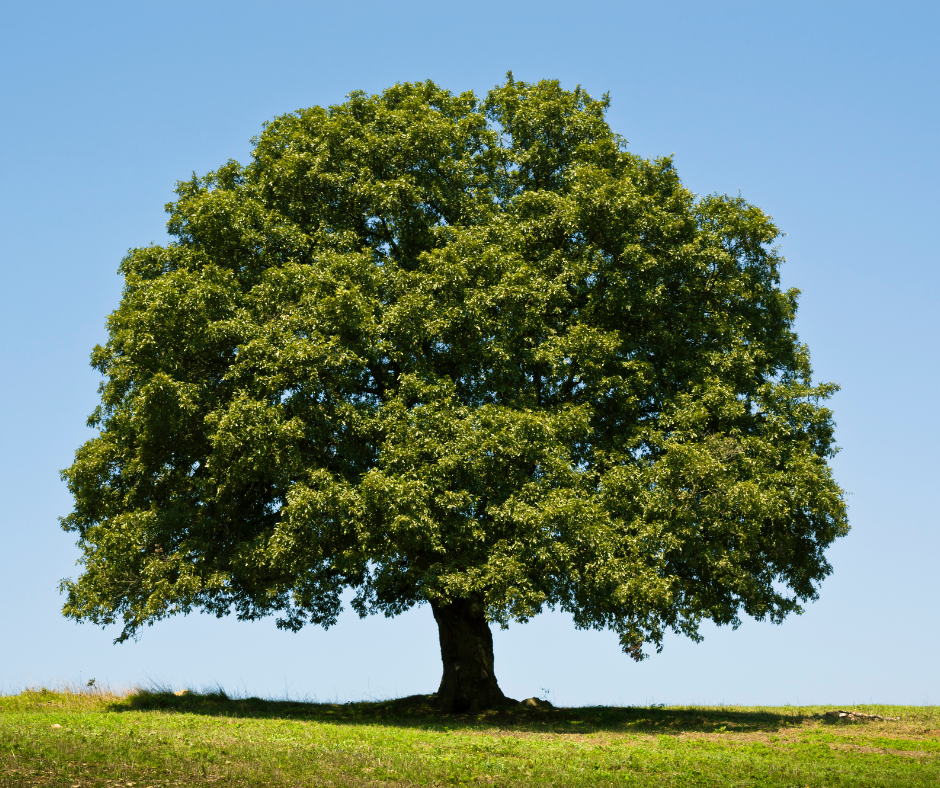
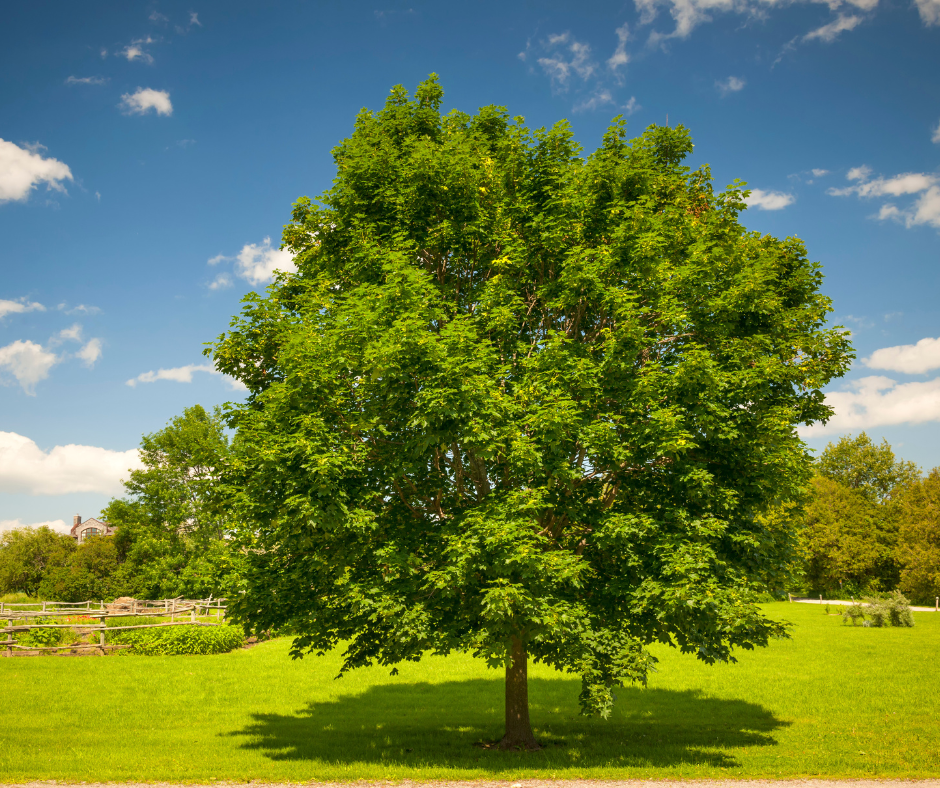
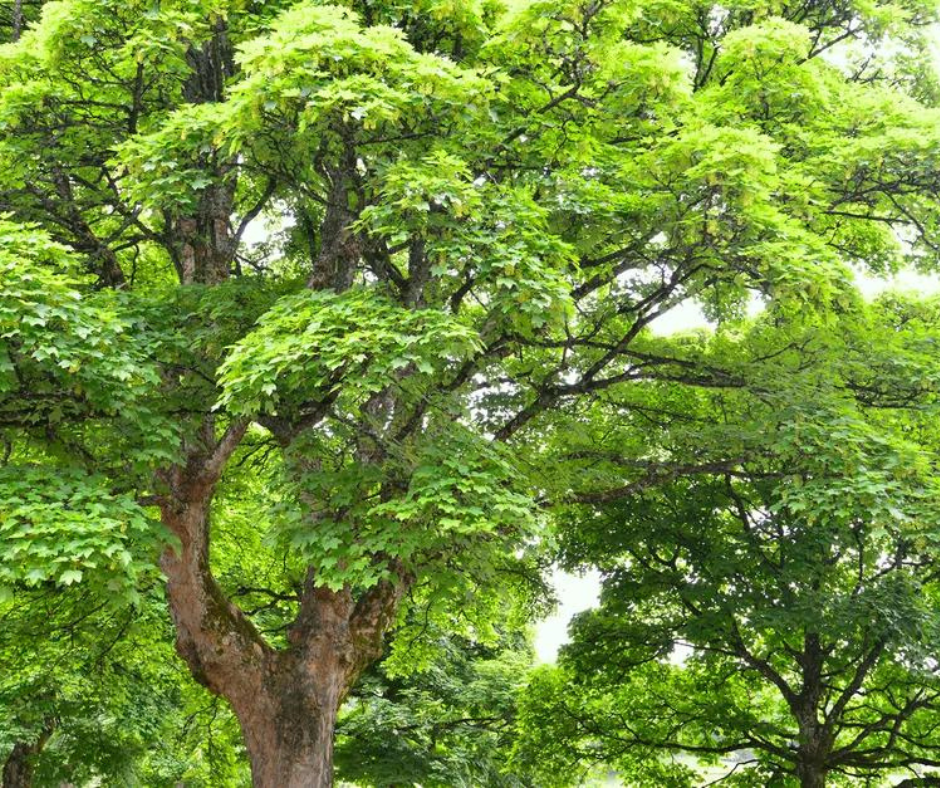
Broadleaf trees
Alders (Alnus species).
! Aspen, quaking (Populus tremuloides).
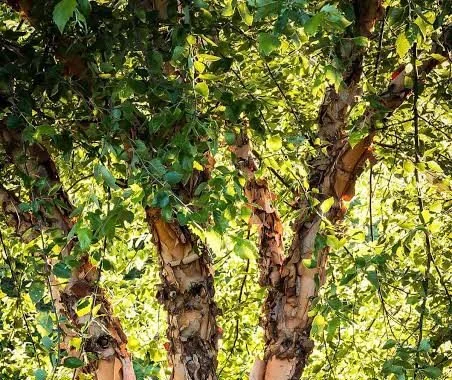
Birch, river (Betula occidentalis).
Birch, paper (Betula papyrifera).
Cottonwood, black (Populus trichocarpa).
Conifers
All of our native conifers do well in cultivation except whitebark pine (Pinus albicaulis) which is a very, very slow grower. In situations where irrigation is not possible, plant trees adapted to your elevation zone. The following list includes all but a few, high-elevation, species.
Douglas-fir (Pseudotsuga menziesii).
Fir, grand (Abies grandis).
Fir, subalpine (Abies lasiocarpa).
Hemlock, western (Tsuga heterophylla).
Juniper, Rocky Mountain (Juniperus scopulorum).
Larch, western (Larix occidentalis).
Pine, ponderosa (Pinus ponderosa).
Pine, lodgepole (Pinus contorta).
Pine, western white (Pinus monticola).
Redcedar, western (Thuja plicata).
Spruce, Engelmann (Picea engelmannii). .
Yew, Pacific (Taxus brevifolia).
Perennials
A multitude of native perennials (herbaceous plants other than grasses) conform well to the home garden and there are many more for which we have no first-hand information. The following can provide beautiful and interesting additions to your home landscape.
Camas (Camassia quamash). **note: ! indicates plants that naturalize (spread) **
Columbine, red (Aquilegia formosa).
Dutchman’s breeches (Dicentra cucullaria).
Fairy-bells (Disporum hookeri and D. trachycarpum).
! False Solomon’s seal, starry (Smilacina stellata).
False Solomon’s seal (Smilacina racemosa).
Kittentails, evergreen (Synthyris platycarpa).
Kittentails, mountain (Synthyris missurica var. major).
Lupine (Lupinus polyphyllus).
Lupine, silky (Lupinus sericeus).
Meadowrue, purple (Thalictrum dasycarpum).
Meadowrue, western (Thalictrum occidentalis).
! Strawberry, wild (Fragaria vesca bracteata).
! Violet, Canada (Viola canadensis).
Violet, Nuttall’s (Viola nuttallii).
Violet, pioneer (Viola glabella).
Wild ginger (Asarum caudatum).
Some plants to avoid in home gardens
These species need lots of room to spread:
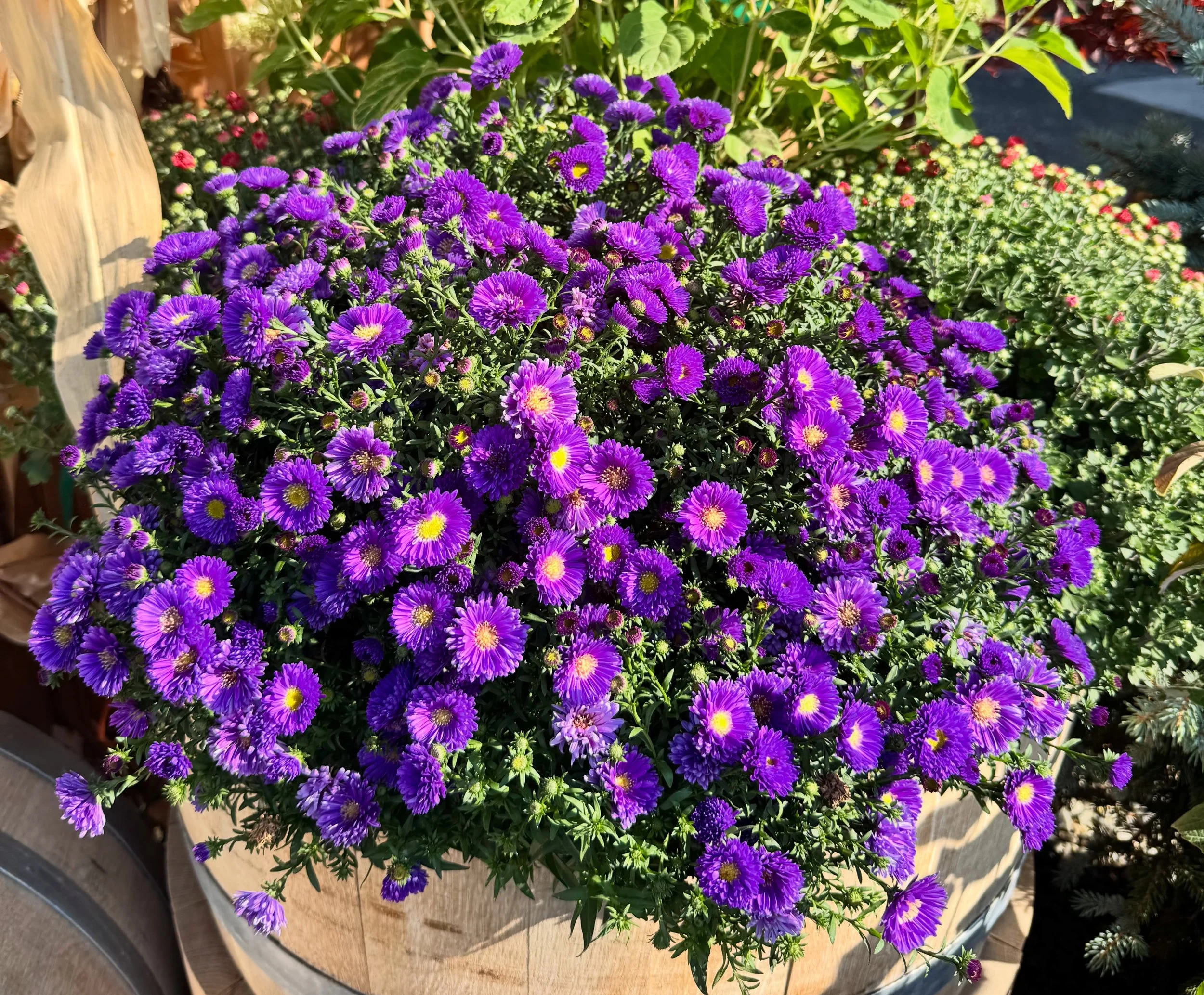
Asters (Aster spp.)
Goldenrods (Solidago spp.)
Pearly everlasting (Anaphalis margaritacea)
Ferns
Our native ferns from forest habitats do very well in cultivation. They are ideal in shade or partial shade, but need summer irrigation to succeed. These species may be available from nurseries that specialize in ferns. There are also several species of rock ferns from dry habitats in northern Idaho that can be very difficult to grow in the rock garden.
Ladyfern (Athyrium filix-femina).
Maidenhair fern (Adiantum pedatum).
Male fern (Dryopteris filix-mas).
Swordfern (Polystichum munitum).
Swordfern, Anderson (Polystichum andersonii).
Mountain woodfern (Dryopteris austriaca and D. carthusiana).
Grasses
(The first four are the major components of northern Idaho grasslands)
Bluebunch wheatgrass (Agropyron spicatum, Pseudoroegneria spicata).
Bluegrasses (Poa spp.).
Idaho fescue (Festuca idahoensis).
Junegrass (Koeleria cristata, K. macrantha).
Mountain brome (Bromus marginatus). For moist sites and cooler aspects.
Tufted hairgrass (Deschampsia cespitosa). Moist sites.
Waterwise Gardening
Water is an amazing resource that needs to be managed as much as any other natural resource. People with big brains get together to figure out how much water is available and where it is going and whether or not we have enough to do what we need to do. Managing this resource starts with the knowledge of where the water is coming from. Surface water is easy to see; it comes from the lakes, rivers and streams in our area. The snow pack can be measured and calculated for its water content. Most of the water that normal homes use here in North Idaho comes from the Spokane Rathdrum Prairie Aquifer - a large underground lake that spans from western Spokane up to the bottom of lake Pend O’reille. Multiple studies have shown that our area has been experiencing a drought for several years. In order to have enough water for everyone, we should all learn to conserve the water resources we have.
Temperature
Remember that the temperature of the soil and how much wind is blowing are the primary drives for water loss in the ground. Overnight temperatures are a good indication of how cold your soil is. For example, if the average overnight temperature for the week is 56͒ your surface (top foot of soil) soil temperature should be within a few degrees of this number. Keep in mind that the average deep soil temperature (6ft deep) here in North Idaho stays at a consistent 45͒ but the surface temperature varies based on overnight temperatures, wind speed and water concentration. Soil temperatures that are less than 40͒ can hold water almost indefinitely here in the inland northwest because of our humidity and frequent precipitation. Most gardeners here in North Idaho don’t need to start watering their whole yards until the average overnight temperatures exceed 48͒. This knowledge can also affect the time of day that you water. Gardeners need to wait until the soil temperature has dropped to minimize water loss from evaporation. Soil is usually cool enough to hold more water between the hours of midnight and about 10am here in the inland northwest. Soil temperature is also the reason that hanging baskets, pots and raised beds need more frequent watering. Because their root mass is exposed to more sun and wind, the soil temperature is hotter than the ground, drying out plants faster. You can insulate raised beds, double pot plants or move hanging baskets into the shade during the hottest part of the year to reduce the frequency you need to water.
Keep in mind that the wind picks up around sunrise and sunset. Make sure your sprinklers are done by sunrise so those morning breezes can dry the leaves of your plants to prevent disease and sunburn. It is not a good idea to water when the wind is present. Steady wind as low as 4mph with our average humidity can result in a water loss of up to 25%! Wind driven evaporation is as high as 47% in arid areas!
Mulch: Blankets and Food
This is one of the reasons why mulching your garden beds (even your lawn!) is important. A good layer of mulch in your garden beds acts as an insulator, lowering the temperature of the soil. As we just learned, colder soil holds water longer! Mulch has other benefits, however. Organic (not stone) mulch decomposes and adds nutrients back to the soil. As those organic particles get smaller they become humus, the smallest particle of organic material in soil. Humus helps soil to retain water in the soil instead of your applied water running straight through all the sand and gravel we have in our area. Mulch can also help to break up clay soils both physically and chemically. Humus also feeds the microbiome of the soil making everything you plant healthier. Mulch has the additional benefit of helping to reduce weeds! Remember that these ideas apply to organic mulch, not decorative stone.
How’s Your Dirt?
Soil is composed of decomposed rock (sand, silt, clay), organic material, water and organisms; usually at 50% per volume. This percentage varies with the type of soil. To balance the composition of soil, you need the proper mixture of these soil components for the type of plants that you hope to grow. Succulents and Lavender, for example, enjoy a higher percentage of sand while Ligularia likes rich, wet soil. You can try digging a hole and filling it with water. How quickly the hole empties and dries out can give you a hint of how much sand, clay or organic material your soil contains and how you may need to amend it to ensure it holds the right amount of water. Organic material can act like a sponge, holding water in sandy or gravely soil while it can also help (with sand) to break up pockets of clay soil both mechanically and chemically.
Soil is an ecosystem all its own. It has great biodiversity and a food web with amazing interdependency. This ecosystem is balanced in a healthy soil system. Disturbance of the soil, severe drought, flooding or excessive use of chemicals can throw the system out of balance to the detriment of the plants we try to grow. Reintroducing compost, mulch and good management practices can improve the soil’s ecological balance. Using mulch that decomposes will inoculate the soil with beneficial microbes and mycorrhizae by using organic compost can also help improve soil. It is usually recommended that gardeners test their soils before fertilizing so too much is not added. Excess fertilizer just washes away and ends up where it shouldn’t be. NPK and pH tests are available at the nursery. For testing other elements, chemicals, pharmaceuticals and heavy metals, soil tests can be mailed to testing agencies or the USDA.
How to Water
Water is critical to any landscape. Some water is even necessary in the soil to maintain decomposition and to dissolve minerals from rocks and acids from decaying plants. Water can help evenly distribute chemicals in the soil. Too much water, however, can wash away all of your hard work, since most of the nutrients that plants need are water soluble. Excess water in the soil can also suffocate the roots of plants, causing them to rot. How we water our plants is critical. While all plants need water, it is important to realize that one of the primary drives for root production is dry soil. Dry soil sends a signal to the plant to direct more energy into root production (Help! We are running out of water!). It also stimulates roots to reach deeper into the ground. Not only does this extend the root system below the hot surface during summer months, but it also gives roots greater access to minerals. The general rule of thumb is to deep soak the ground (to the bottom of the root ball) and then let the top 15% of the root mass dry out completely. Soaking a plant does not mean to dump a bucket of water on it. Drought stressed root balls shrink and become water repellant, just like a dry kitchen sponge. Water should be applied slowly to saturate the root mass and allow it to hold as much water as it can. You can use drippers, put the hose on a trickle or drill small holes in a bucket to slowly water plants. Keep in mind that in September our overnight temperatures go back down (cooler soil!) and we need to reduce the frequency of our watering. In addition to triggering more root growth, drought stressing plants in the fall can help them go dormant so they don’t get hit by our frequent, early frosts. By October, you shouldn’t be watering hardly at all, regardless of daytime temperatures.
Native Plants
It takes approximately 2-3 years to establish a root system whether starting from scratch or retraining an existing root system. By frequently drought stressing your plants in the spring and fall when the overnight temperatures are low, we can establish a landscape with deep roots that only needs to be watered a few times during the hottest part of the year. Having soil with a good balance of organic material and a healthy layer of mulch will help keep the proper amount of water in the soil where roots can reach. Xeriscaping is the science of using low water plants and native plants in your landscaping to reduce water consumption. Using plants with grey/green leaves, narrow leaves, waxy leaves or no leaves (needles or scales) will all help with water use. Native plants will often use less water and require less fertilizer than plants that come from other parts of the US and elsewhere around the world. They are accustomed to our native soils and will require less work to establish. Native plants are also important for native species of insects and animals. Less fertilizer means less overall pollution to the environment. Native plants generally tend to need less maintenance and have deeper root systems. They can be just as aesthetically pleasing as non-native species with less work. Keep in mind that if you put a native plant into your flower bed and water and fertilize regularly, it may become just as high maintenance as an introduced species. Native species are also the regular food for the critters that live here and will be browsed on. Native plants should be given some “tough love” and encouraged to fend for themselves as much as possible. Proper soil, good watering practices and the right plants can help us conserve the water we use while still enjoying a thriving landscape.
Maintenance
As much as we would love to just “set it and forget it” one of the best ways to conserve water is to keep an eye on your systems. Check your sprinklers twice per year to check for breaks, overspray or misdirected sprinklers. You will need to top off the mulch in your beds at least once per year. Remove plants that are using up too much water and replace them with lower water species. One of the most critical jobs is going to be watching the weather and turning off the system when it rains, when it’s overcast, too windy or when the overnight temperatures go down. After 2-3 years of babysitting them, your plants will need less water and upkeep, but you will still need to feed them and maintain your sprinklers. Every 5 years or so your soil should be retested to ensure that your fertilizer requirements haven’t changed.
One last note, capturing and storing rainwater for use in your garden is legal in both Washington and Idaho but it must not be taken from existing streams or ponds and it cannot be gathered from a building constructed for just that purpose. Your collection of water cannot interfere with the water rights of others. Be sure to check your local rules before collecting rain water for your garden!